Africa Travel Essentials: 20 Things I Always Take (Some Might Surprise You)

Last updated on March 20th, 2026 at 10:23 pm
After over 16 years of travelling across Africa – from dusty overland roads and safari camps to tropical islands and bustling cities – I’ve learned that packing smart makes life so much easier.
Through plenty of trial and error, I’ve found a set of essentials that always come with me, no matter where I’m going or how light I’m travelling. These are my tried-and-tested favourites — the items I genuinely use on every trip and wouldn’t want to be without.
This isn’t a complete packing list (you can find that one here) – and I’m not covering the obvious legal necessities like passports or Yellow Fever certificates – just the things that make Africa travel smoother, safer, and more comfortable.
Please Note: Some of the links in this post are affiliate links, which will earn me a small commission at no extra cost to you. Affiliate sales help with the running costs of this site, so thank you for your support!
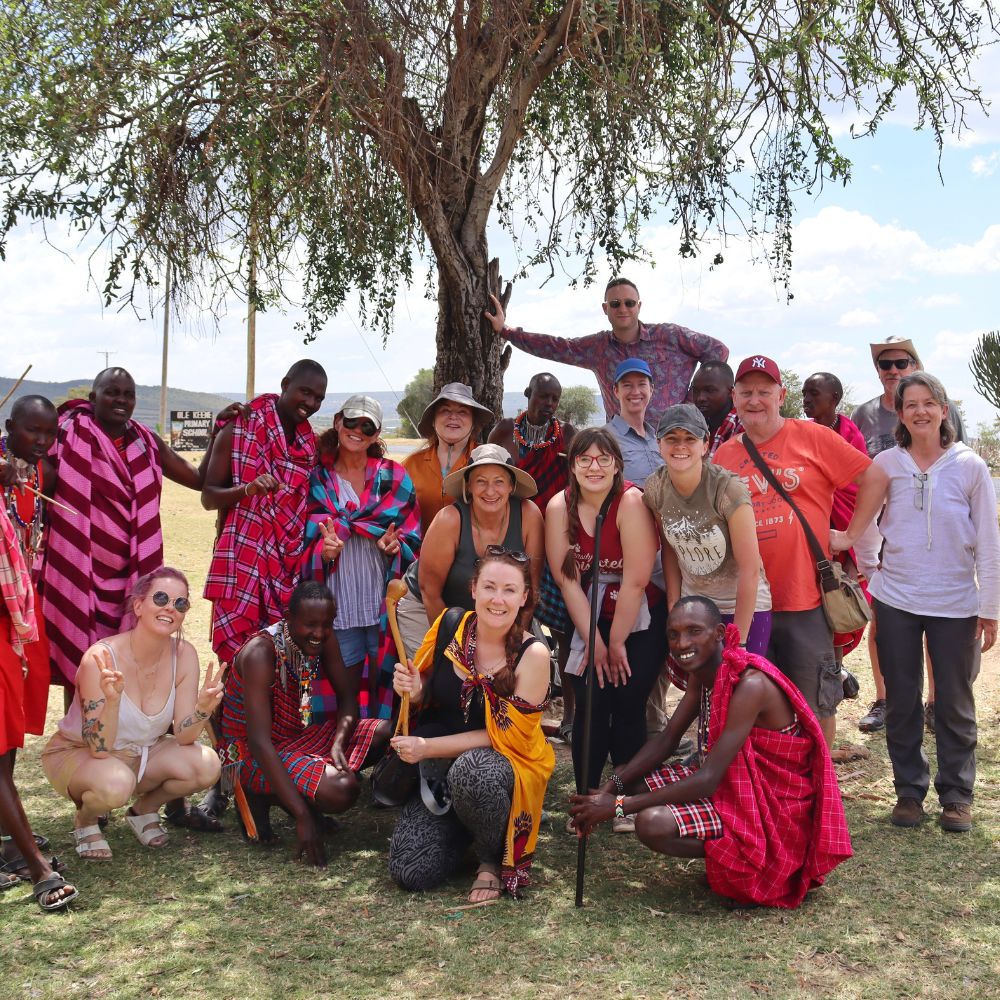
Ready to stop dreaming and go to Africa? Join me on one of my small-group Africa adventures!
VIEW UPCOMING TOURS
My Africa Travel Essentials – Electronics
1. Power Bank
I never travel without a power bank. You don’t want your phone dying just as you’re trying to capture a sunset, find your lodge, or show your e-ticket at the airport. On long journeys, camping without electricity, or staying somewhere off-grid, a reliable power source is essential.
I have this one that can charge my phone two to three times. It’s been an absolute lifesaver on long drives, in remote camps with limited power, or during occasional power cuts – which, in Africa, do happen from time to time.
2. Travel Adaptor
In Africa, there are three main types of plugs: British, European, and South African, depending on the country you’re visiting.
I love my Skross 3-in-1 adapter, which converts British plugs to both European and South African – super handy when hopping between countries.
There’s also this one which converts from British to both South African and European and has USB ports. – I haven’t tried it yet, but looks very promising and has great reviews.
I also have a really good TESSAN adapter which converts British to South African and has 2 plugs plus USB ports so you can charge multiple things at once. If you want a smaller one, this one just has 1 plug.
These adapters will work if you’re converting British plugs to South African or European outlets. If you’re travelling from other countries (USA, India, Australia, etc.), make sure you bring the right adapters to convert your plugs to British, South African, or European sockets.
3. Cables & USB Hub
As well as my charging cables, I also travel with a multiport USB-C hub/dongle, which pretty much covers all my tech bases. On top of that, I always bring an AUX cables. It might just be me, but these are a lifesaver when I want to play music and the vehicle doesn’t have Bluetooth — super simple, reliable, and stress-free.
It’s also nice to have a good organiser case for all those wires too!
4. Head Torch/Lamp
A head torch (headlamp) is one of the most important items you can pack for Africa – especially if you’re backpacking or camping. But even if you’re staying somewhere a little more luxurious, it’s still incredibly useful.
Many lodges and camps have dimly lit pathways, and walking back to your tent after dinner is much easier when you’ve got both hands free. They’re also invaluable during the occasional power cut, for rummaging through your bag in the dark, or for reading in bed once the generator switches off.
I use a rechargeable head torch so I never have to worry about carrying spare batteries. Get one that has a red light – good for not disturbing people as much and doesn’t attract bugs!
5. Phone Lanyard
It might not be the most glamorous item, but my phone lanyard is one of my most-used travel gadgets.
It allows me to keep my phone handy for photos or directions without constantly rummaging through my bag. It’s especially useful on travel days, at border crossings, and on safaris when you need to grab your camera quickly.
Oh, and you can also store your phone pin, emergency contacts (in case you lose it) and any sim cards between it and the phone too.
My Africa Travel Essentials – Clothing
6. Sun Hat
African sunshine can be intense, even in the cooler months, so a wide-brimmed hat is essential for protecting your face and neck while exploring.
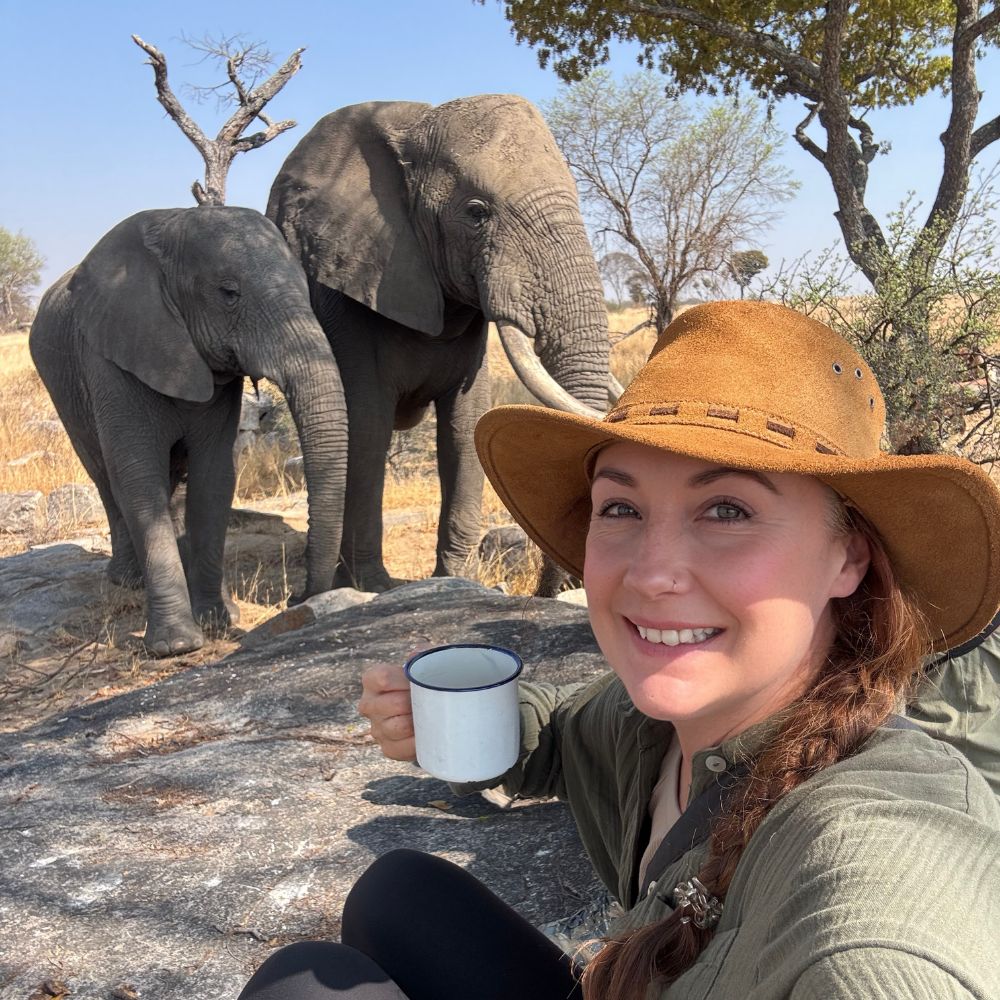
I have a suede leather hat from South African brand, Rogue that’s crushable and looks great on safari (at least, I like it!). The downside is that it’s quite bulky and takes up space, and outside of safari it can look a little over-the-top.
For everyday wear, I usually bring a more practical hat like this one – it’s lightweight, quick-drying, and much easier to pack, making it perfect for general sightseeing or long walks in the sun.
7. Sarong/Scarf
I usually carry a sarong AND a scarf, but you could probably just do with a sarong if you don’t want to carry both.
They can be used as beach towel, for covering shoulders/knees for modesty in villages, sun cover up, wrapped around your face like dust mask, cover your hair, or even a curtain for privacy when wild swimming!
They takes up almost no space, dries quickly, and is perfect for Africa’s warm climate.
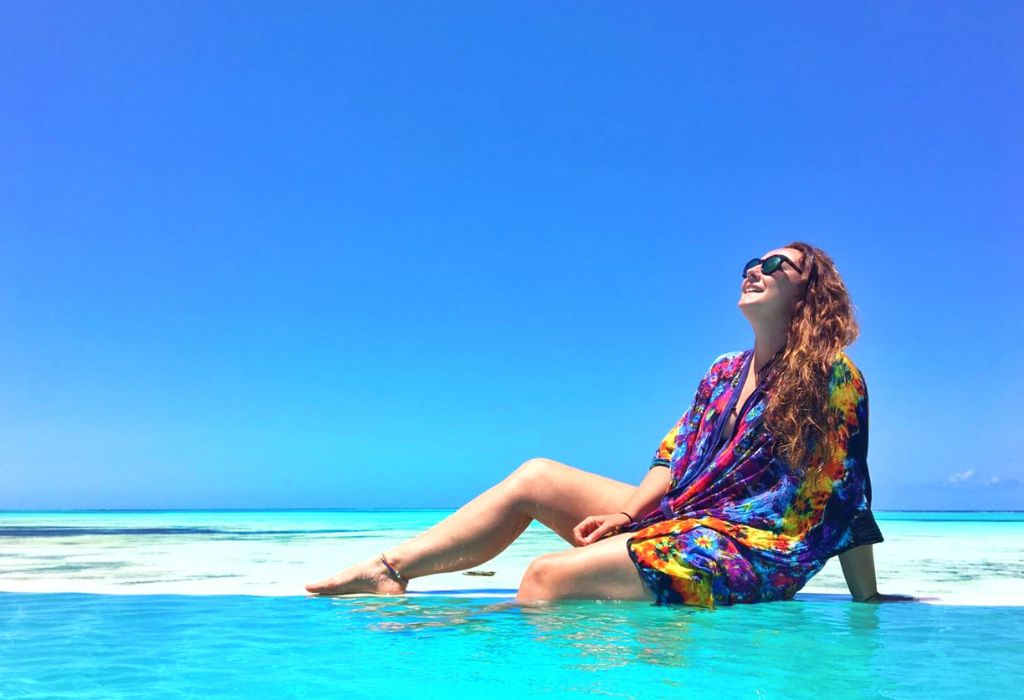
8. Kimono
I love a kimonos and never travel without them! They’re lightweight, colourful, and can instantly make any outfit look a bit more glam! And if it’s batik or African print – even better!
I wear them over shorts, swimsuits, or dresses, and they’re also great for covering up in more conservative areas. They’re one of those pieces that are both practical and beautiful – my favourite combination.
9. Chub Rub Shorts
Hot, humid weather and lots of walking can lead to thigh chafing, so Snag chub rub shorts are an absolute essential for me. They’re breathable, comfortable, and stop any irritation – perfect for city sightseeing, hiking, or long travel days.
10. Water Shoes
I’ve tried loads of different travel sandals in Africa over the years but about a year ago I found the Teva Hurricane Drift – the best travel sandals ever. I wore them almost every day for four months across Africa – no blisters, no smell, no wear.
They’re super lightweight, waterproof, vegan, easy to clean, and go with most outfits. The soles are thick enough to handle thorns and rough ground, and you can even wear them with socks (essential Africa nightwear).
The only negatives… they can come off in fast moving water (the velcro could be better) and I’ve got the slim version but they’re slightly big on my feet. I honestly wish I could design some myself; I have so many ideas!
I love that they don’t rub, unlike some of the similar canvas-style sandals that can chafe when wet. They’re not made for serious hikes, but for everything else, they’re perfect. I bloody love them.
These days, they’re a bit hard to find (I really had to track them down – my friend recommended them), and I think they’ve been replaced by the Hurricane XLT, which looks very similar but is a little sturdier and heavier I believe.
My Africa Travel Essentials – Baggage
11. Crossbody Bag
I’m constantly on the move in Africa, so I need my essentials to be easy to reach – but also secure. That’s why I almost always wear a crossbody bag.
For daytime, I usually rotate between two favourites. My Roka London bag is practical, roomy and incredibly lightweight – perfect for hot/humid climates when you don’t want anything weighing you down. It sits close to the body and feels discreet enough for markets, airports, and busy streets.
My Troop London bag is sturdier and more structured. Made from a canvas-style material, so good for safari when you want something a little more robust.
Then there’s my Uniqlo bag – my everyday staple at home and my go-to for evenings while travelling. It’s streamlined, stylish and low-profile, making it perfect for dinners or sunset drinks. It folds down surprisingly small, so you can pack it away easily when you don’t need it. Apparently, it can even fit an entire bottle of wine…
12. Foldaway Shopping Bag
One of my top travel tips is to pack a couple of foldable, lightweight bags.
I usually bring at least two – a waterproof one and a canvas tote (usually the free ones they give you at Glastonbury Festival). The waterproof bag is ideal for shopping, beach days, or stashing shoes or wet, dirty clothes, and it takes up hardly any space. Etihad sometimes gives them out on flights, and they’re brilliant – lightweight, easy to clean, and super practical.
They’re also quiet compared with plastic bags (handy if you’re sharing a room) and useful in countries that ban plastic bags like Rwanda, Kenya, Tanzania, and Morocco.
The canvas tote is perfect for laundry or as an extra carry bag, and because it’s washable and reusable, it’s a great eco-friendly swap for plastic.
13. Packing Cubes
I can’t express how much I love a packing cube. When travelling around Africa – especially on a tour where you’re moving from place to place every few days, staying organised is essential if you want to find things quickly and avoid living in complete chaos.
I’ve used my Eagle Creek packing cubes on every single Africa trip since 2009 (yes, the same ones – and I travel a lot!), and they’re still going strong. Not a single rip or mark even. Honestly, they’re one of the best travel investments I’ve ever made.
14. Wheelie Backpack
For Africa travel, I usually prefer a soft-sided bag, like a backpack or duffel, because they fit far better in safari vehicles than suitcases.
That said, I want it with wheels and a front-opening design – top-loading packs are only for me if I’m doing some serious trekking and weight distribution matters. A bag that opens fully from the front makes packing and accessing gear a lot easier.
These days, I go for a “best-of-both-worlds” design: a bag that carries like a backpack when needed but also opens and rolls like a suitcase, giving me maximum flexibility and convenience on the road.
For the last eight years or so I’ve been using my Kathmandu 70 L wheeled backpack. The only time I don’t take this is if I’m going on a hiking trip (Mount Kenya, Kilimanjaro etc) and need a lighter bag for the porters to carry. Wheeled bags are too heavy for that.
The 70L bag is quite big, but I love having plenty of space for all my gear, gadgets, and clothes. That said, my goal for next time is to go smaller – either 50L or 60L – especially now that I have a bigger carry-on. Kathmandu even offers a 50L version of the bag, which might be the perfect fit. I’m also looking at the Osprey Transporter 60L – it doesn’t have backpack straps, but I rarely use them now anyway…
I really love Eagle Creek bags (my friend has one and it’s brilliant), but they are a bit big for the way I travel. Eagle Creek – if you’re reading – if you could make a 50L or 60L version of your wheelie backpack I would be very grateful. Thanks!
15. Carry-On Bag
If you hadn’t already guessed, I’m a bit obsessed with bags – always searching for the perfect luggage system – and my current favourite carry-on is my Bagsmart bag. It’s clever, expanding from 28L when I want to travel light, to 38L when I need extra space.
I need a bag that can hold all my tech – laptop, camera, lenses – plus toiletries, paperwork, and spare clothes in case my luggage goes AWOL. This one ticks all the boxes: roomy, well-organised, and built to last, making it perfect for long flights, road trips, or any adventure in between.
I also love – but haven’t used yet – the Cotopaxi Allpa bags. They come in different sizes including 26L, 28L and 35L. Like the Bagsmart, they have a strap at the back which allows you to slide them onto a wheelie case handle which is great. And the colours are amazing!
The only time I don’t take this style of bag as my carry-on is on trekking‑style trips where I need more of a technical backpack – in those cases I use my Osprey hiking daypack instead, which is lighter, more rugged, and easier to carry on uneven trails, though it’s too big to fit inside my main bag, so becomes my carry-on.
I also keep a smaller packable backpack tucked inside it. I pop that out for short day hikes, café strolls, or whenever I just want something lighter and easier to carry.
My Africa Travel Essentials – Health & Other
16. Sunscreen
Finding the right sunscreen (or any sunscreen) in Africa can be a bit tricky if you’re not in a touristy area or a big city, so I tend to carry it with me.
For my face, I swear by La Roche-Posay Anthelios SPF 50. It’s lightweight, non-greasy, and doesn’t clog your pores, even in hot and humid conditions. And, it doesn’t make me look shiny or make my eyes water, so that’s a bonus!
I wear it every day in Africa – whether I’m on safari, wandering through markets, or relaxing on the beach.
Then for my body, I use Bondi Sands aerosol as I find sunscreen a pain to rub in and I’m often travelling alone, so a spray is just easier!
17. Bug Spray
I hate DEET, but unfortunately bugs absolutely love me. So whenever I travel, I make sure to pack a couple of bottles of Incognito mosquito repellent. It’s not the cheapest option, but it’s the best alternative I’ve found that actually works.
If I run out, I usually try to restock in Africa with my favourite South African brand, Peaceful Sleep – if I can find it – it’s much easier to find in Southern Africa. You can buy it at home too, but it tends to be much more expensive, so it’s usually better to pick some up while you’re there.
You can of course buy ins, but like sunscreen, it can be hard to find in some areas.
18. Juice Concentrate
This one might sound a bit weird – especially for the non-Brits – but I always travel with a small bottle of juice concentrate that you add to water. I’m terrible at drinking plain water so get dehydrated, so this little trick helps a lot. I usually bring this one which has added vitamins and low or no sugar options.
When it’s hot, it’s very easy to reach for Coke or Fanta, but that’s obviously not the healthiest habit. Adding a splash of juice concentrate makes water taste so much better and helps me stay hydrated throughout the day.
19. Electrolytes
Speaking of staying hydrated…
You can usually buy electrolyte sachets in pharmacies, but I always bring these ones with me. The ones you find locally aren’t always the nicest tasting, and when you really need one – after a long hot travel day, a safari, or a slightly ‘enthusiastic’ night out – it’s good to already have them in your bag already.
I’m always surprised how many I get through on a single trip. I use them myself but I also end up handing them out to other travellers who are feeling a bit dehydrated. They’re small, light, and one of those simple things that can make a big difference.
20. Travel Insurance
Ok, so you probably know this by now, but you should always have travel insurance when travelling to Africa. And by travel insurance, I mean proper cover – medical, evacuation, delays, disruption, gadgets, the whole shebang.
If something goes wrong in a remote area, medical evacuation alone can cost thousands, so it’s not something you want to risk travelling without.
I’ve put together a guide to help you choose the right Africa travel insurance, including what to look for and the companies I personally recommend.
Final thoughts on packing for Africa…
Alongside the essentials in this list, there are plenty of other little things I always carry too: spare US dollars, string, clothes peg, my passport and Yellow Fever certificate, a Buff, pens, tissues, hair bobbles, Imodium, eye drops… the list goes on.
If you want to see everything I bring, take a look at my complete Africa packing list.
These small things might seem simple, but they make a big difference – helping me stay comfortable, organised and ready for anything, whether I’m tracking wildlife in Ruaha, island hopping in Madagascar, or relaxing on the beaches of Zanzibar.
What are the things you never travel without? I’d love to hear your must-have items in the comments.
Other Africa packing posts you might enjoy…
- The Ultimate Africa Packing List (Plus FREE Printable Checklist)
- What to Wear on Safari – The Best Safari Clothing & What to Pack
- What to Wear in Zanzibar & Other Cultural Considerations
- The Ultimate Kilimanjaro Packing List – Clothing, Shoes & Equipment
If you would like to join one of my Africa group trips click here for details.
Pin This Post For Later