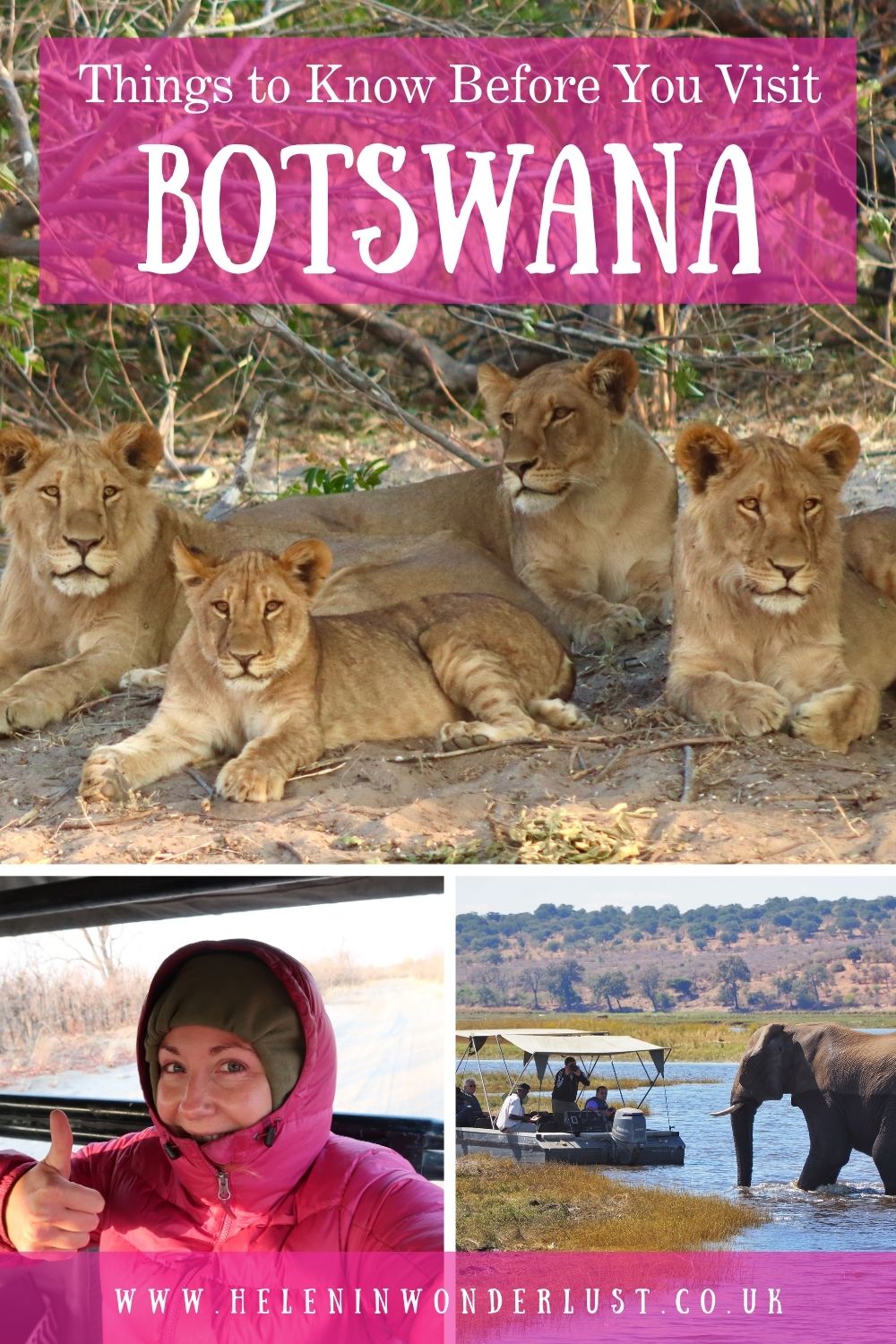
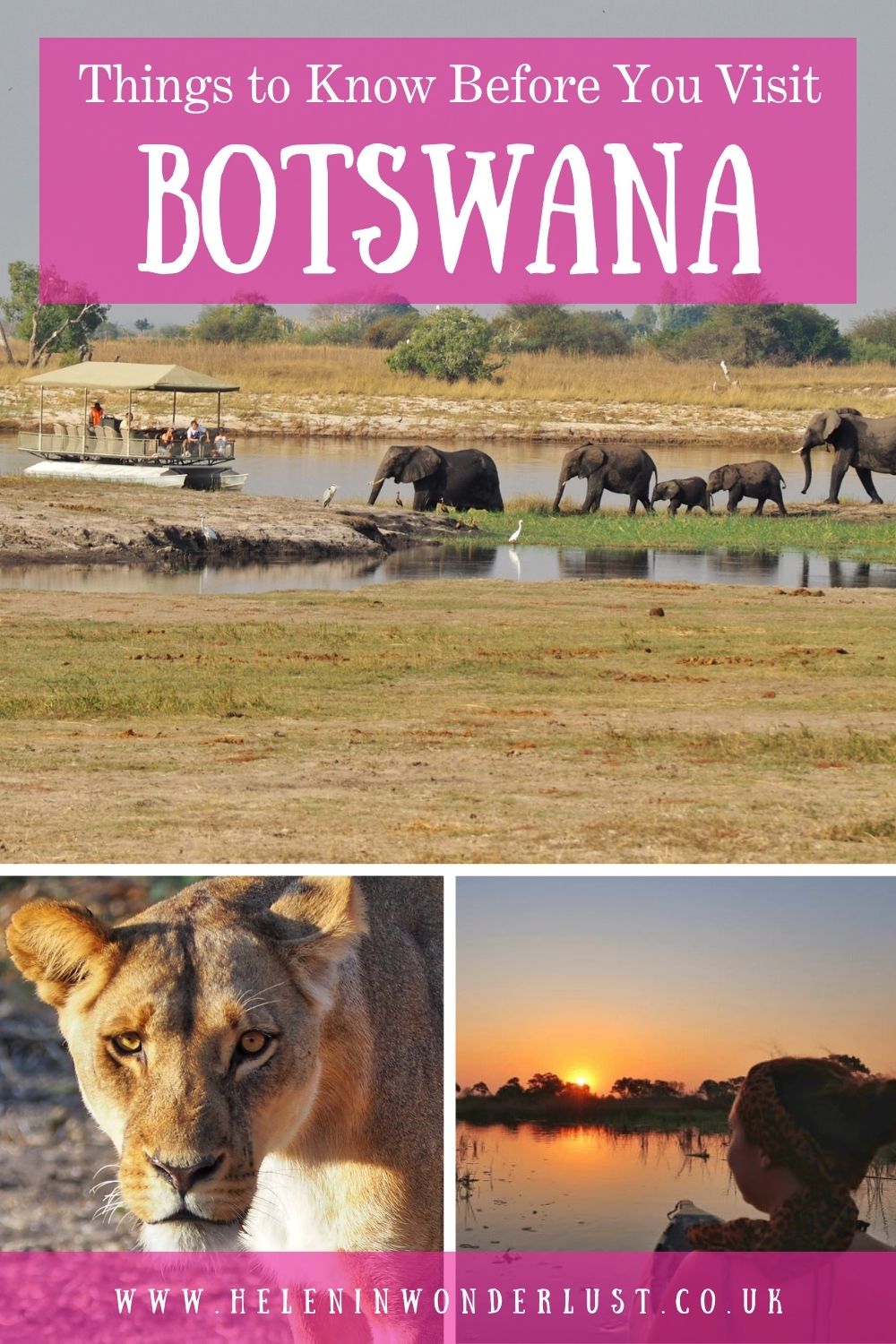
Things to Know Before You Visit Botswana

Last updated on September 10th, 2026 at 09:39 pm
Please Note: Some of the links in this post are affiliate links, which means I may earn a small commission at no extra cost to you. Affiliate sales help with the running costs of this site and allow me to keep creating useful travel content, so thank you for your support! Full Affiliate Disclosure.
I’ve been travelling to Botswana for years, both independently and whilst running my Rock My Botswana & Victoria Falls Adventure trips, and it’s somewhere I never get tired of returning to.
Botswana is one of my favourite countries in Africa – a place of huge skies, wild encounters and some of the best safari experiences on the continent.
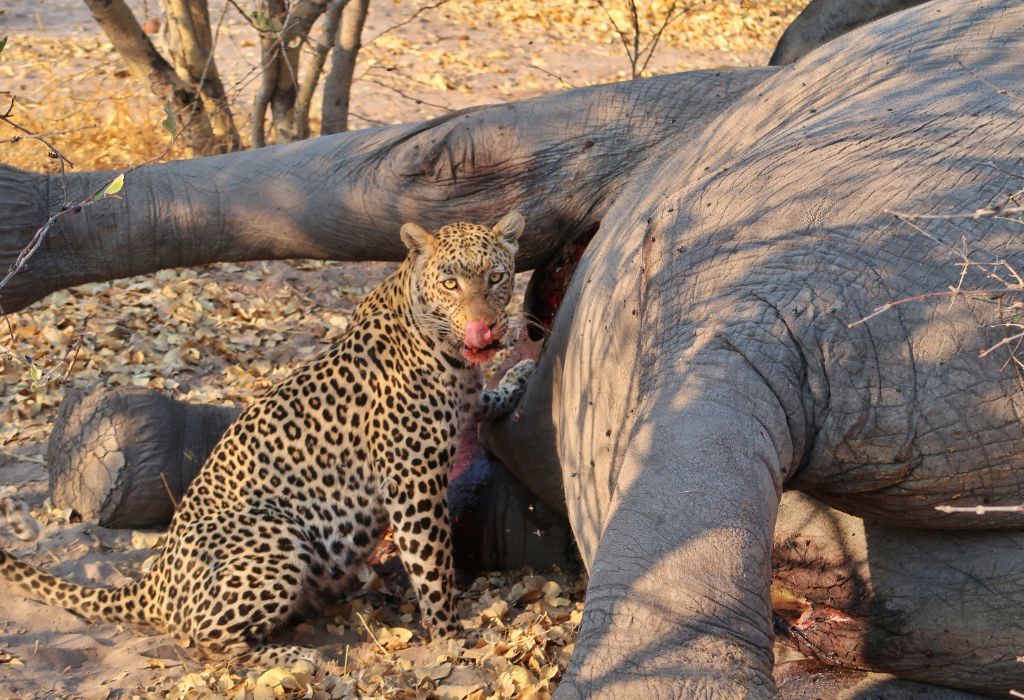
Most people come to Botswana for the wildlife – and rightly so. Botswana is particularly famous for its huge elephant population and is one of the best places in Africa to see elephants. This is home to the incredible Okavango Delta, the elephant-filled Chobe National Park, the vast Makgadikgadi Pans and some of the wildest, most remote safari experiences you can have in Africa.
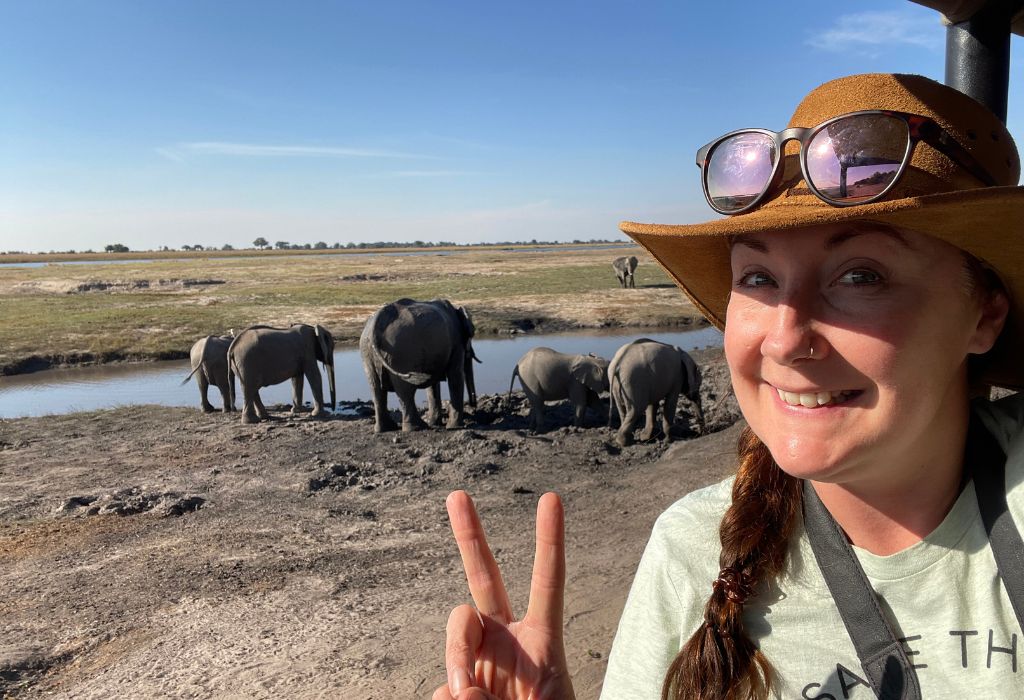
Most people come to Botswana for the wildlife – and rightly so. Botswana is particularly famous for its huge elephant population and is one of the [best places in Africa to see elephants]. It’s also home to the incredible Okavango Delta, the elephant-filled Chobe National Park, the vast Makgadikgadi Pans and some of the wildest, most remote safari experiences you can have in Africa.
But Botswana is also quite different from many other African safari destinations. It’s vast, relatively expensive, distances can be long, you won’t always have phone signal, and some of the best places require a bit more effort to reach. But that’s also a huge part of its appeal.
You can spend your days bouncing along sandy tracks in search of lions and wild dogs, gliding silently through the Okavango Delta in a mokoro, watching elephants from a boat on the Chobe River, or sleeping in a tent in the middle of the bush with nothing but canvas between you and whatever might be wandering around outside.
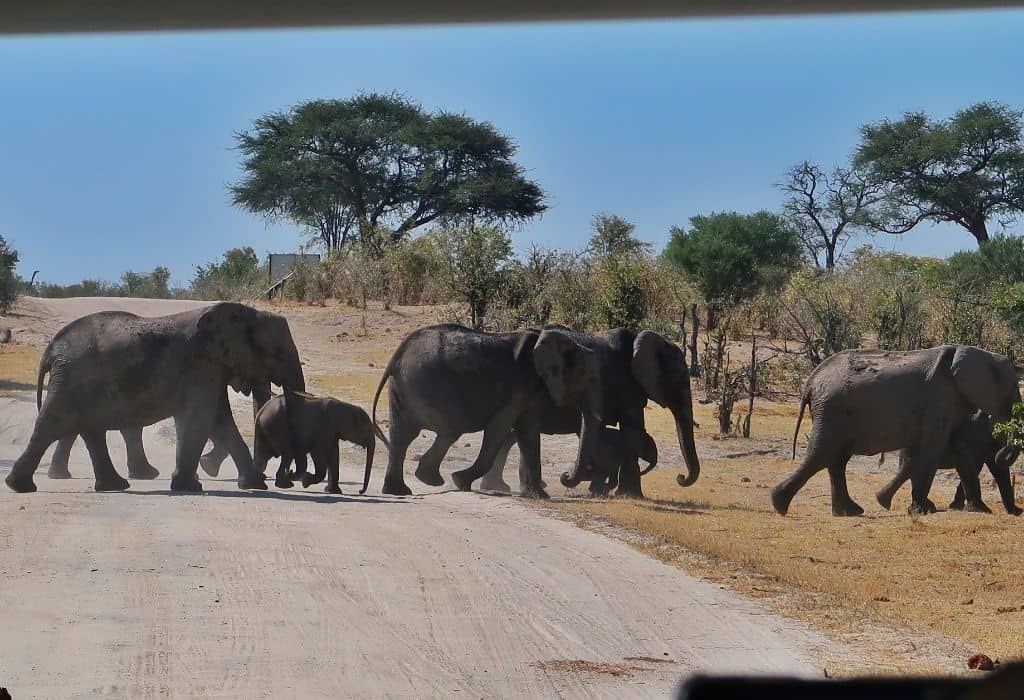
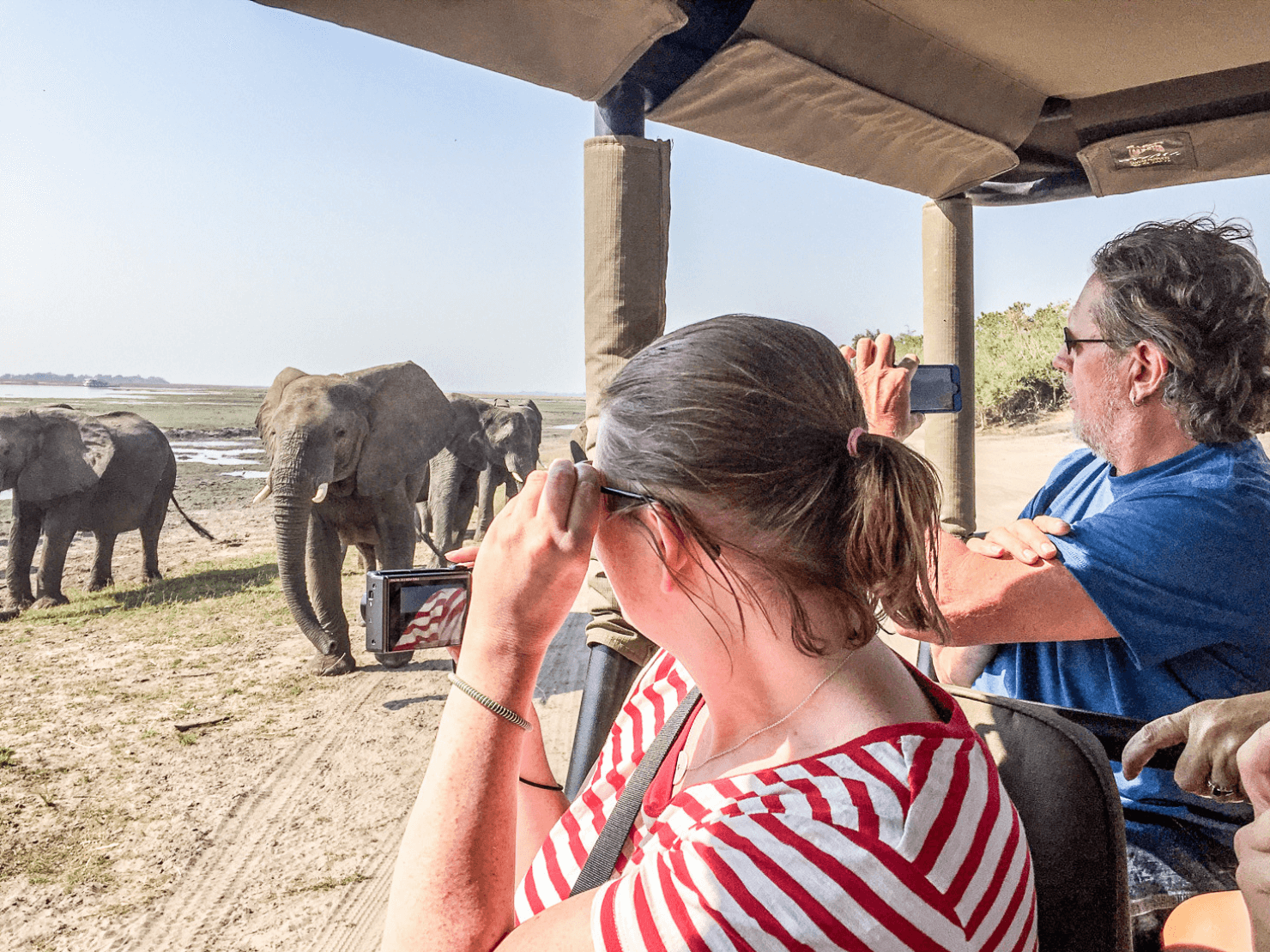
And yes, you may occasionally find yourself waiting for a herd of elephants to get out of the road.
If you’re planning your first trip, there are a few things that are really useful to know beforehand – from when to visit and how much things cost, to getting around, what to pack, malaria, money, mobile signal and what it’s actually like to go on safari here.
So, based on my own travels and years of organising safaris and bringing groups to Botswana, I’ve put together everything I think you need to know before you go.
Things to Know Before You Visit Botswana
The Best Time to Visit Botswana
The best time to visit Botswana really depends on what you want to see and do. Unlike many safari destinations, Botswana is a fantastic year-round destination, with each season offering something a little different.
In general, the dry season (May to October) is considered the best time for wildlife viewing. As water sources dry up, animals gather around rivers, waterholes and the Okavango Delta, making them much easier to spot.
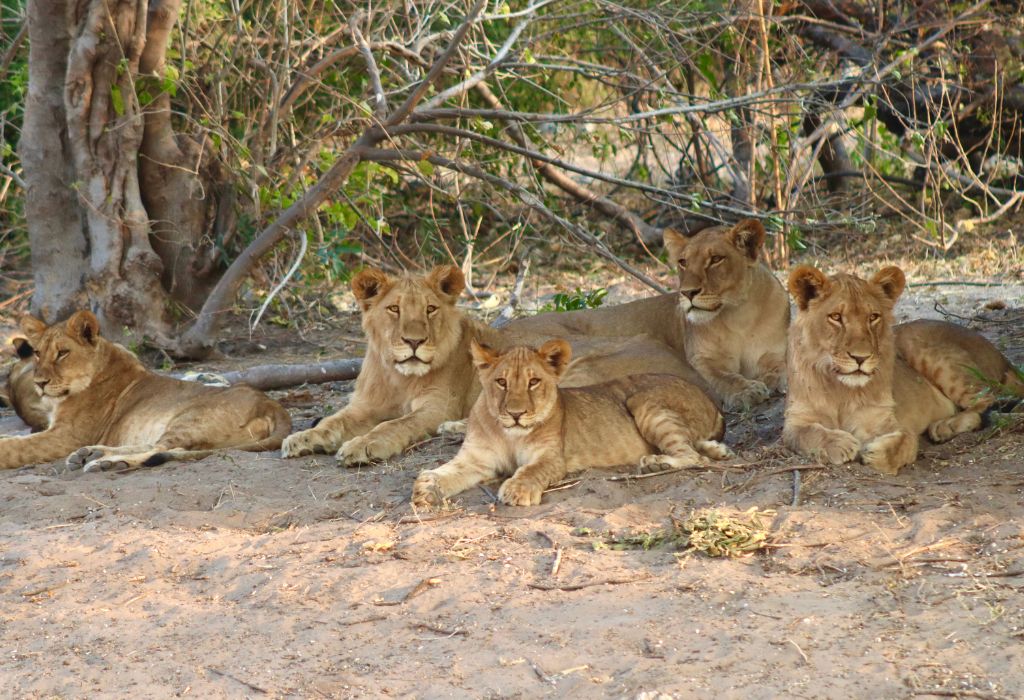
The weather is cooler and less humid too, although early morning game drives can be surprisingly chilly between June and August, so pack plenty of warm layers.
One of Botswana’s most fascinating natural events is the annual Okavango Delta flood. Although the rains fall hundreds of miles away in Angola between January and March, the floodwaters don’t usually reach Botswana until May or June, peaking between July and August.
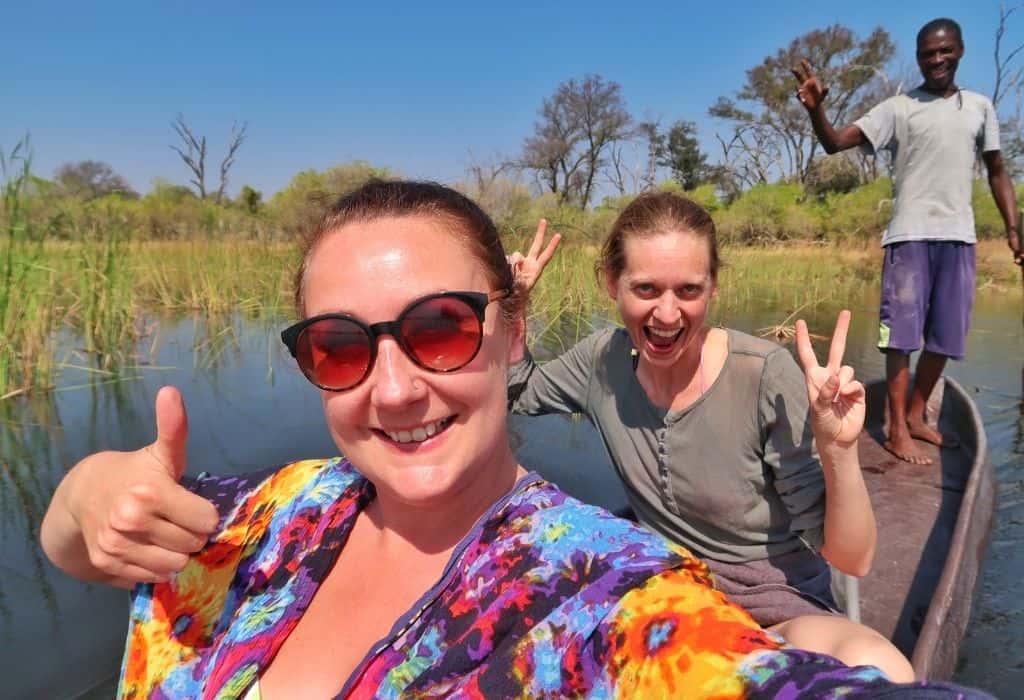
This transforms the Delta into the incredible network of waterways it’s famous for and makes it one of the best times to explore by traditional mokoro (dugout canoe).
If seeing huge herds of zebra is on your bucket list, visit between November and March for the Makgadikgadi zebra migration. After the first rains, tens of thousands of zebras migrate to the Makgadikgadi and Nxai Pan National Parks in search of fresh grazing.
It’s thought to be Africa’s second-largest land mammal migration after the Serengeti, yet remains one of the continent’s best-kept wildlife secrets.
The green season (November to April) is often overlooked but can be incredibly rewarding. The landscapes become lush, dramatic thunderstorms sweep across the plains, and many animals give birth, so you’ll often see young wildlife.
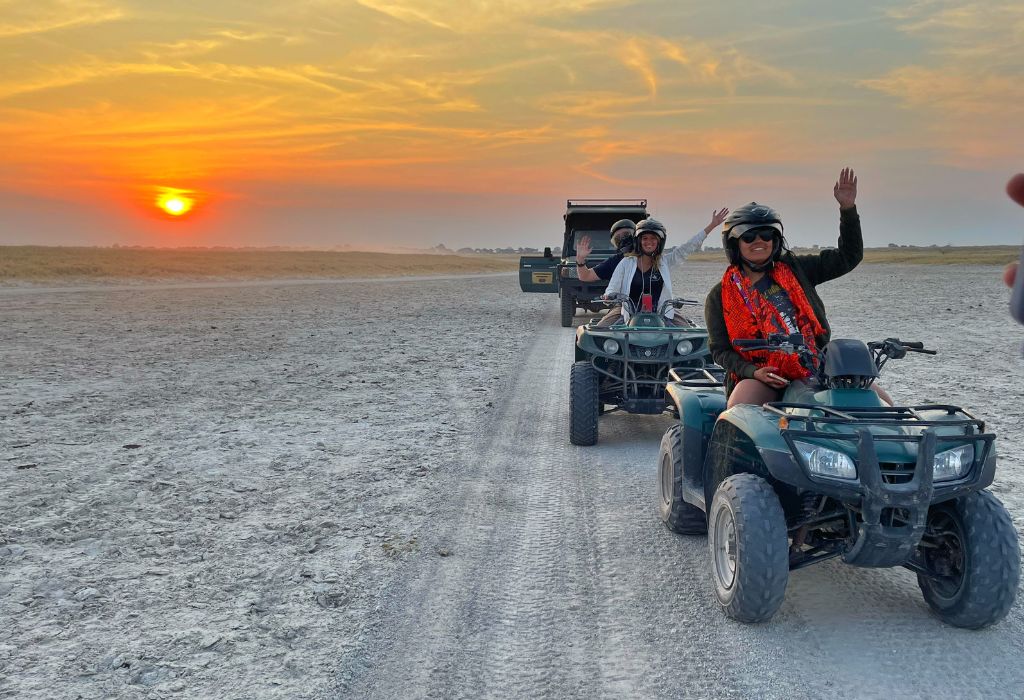
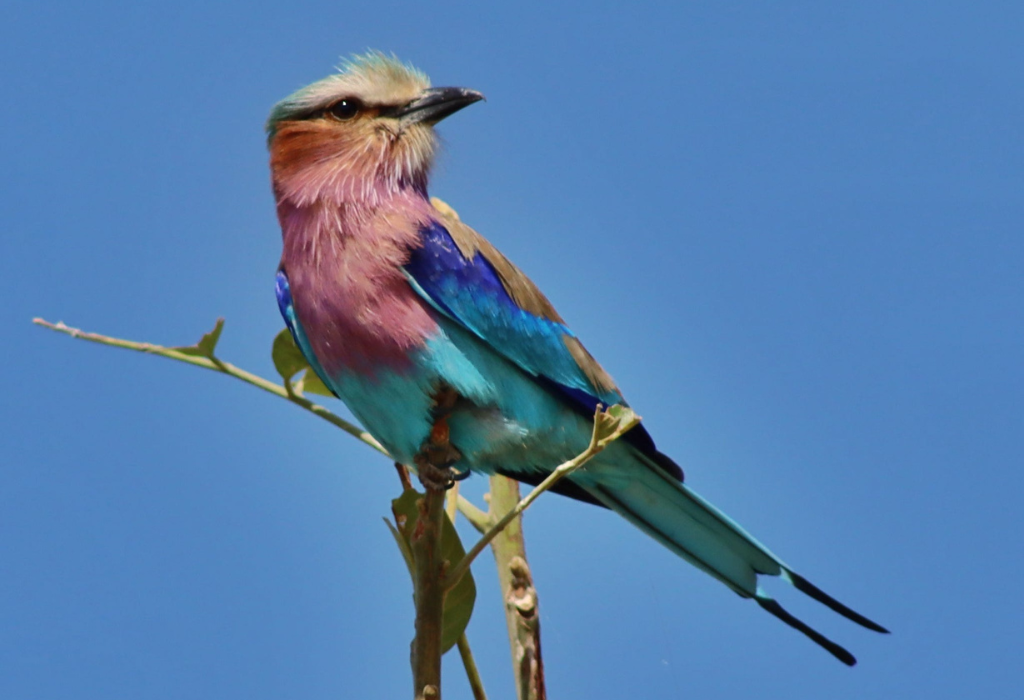
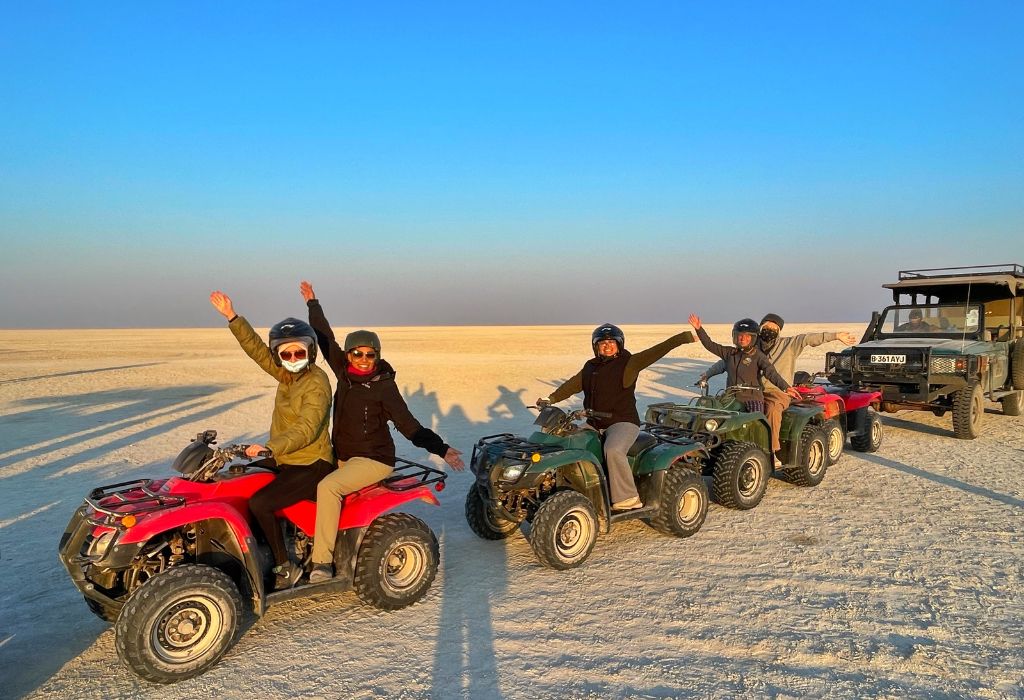
It’s also the best time for birdwatching, with thousands of migratory birds arriving from Europe and Asia. Accommodation is often cheaper too, although some activities – such as quad biking or sleeping out on the Makgadikgadi Pans – may not be possible due to flooding, and some roads can become difficult (or impossible) to drive, particularly if you’re self-driving.
If you’re visiting Botswana primarily for safari, I’d recommend travelling between June and October. However, if you’re looking for fewer tourists, lower prices, greener landscapes or the zebra migration, don’t overlook the green season, as it offers a completely different, but equally magical, side of Botswana.
How Long Do You Need in Botswana?
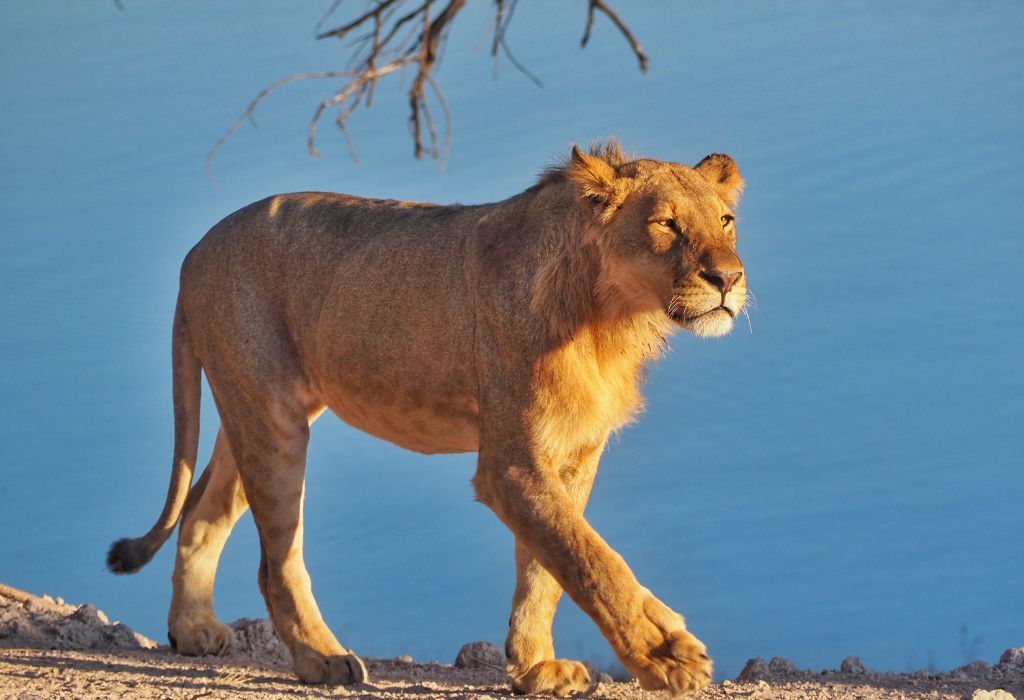
You could easily visit Botswana for just a few days – or even for a day, as it’s possible to take a day trip to Chobe National Park from Victoria Falls in Zimbabwe or Livingstone in Zambia.
But obviously, if you have longer, even better. For a proper Botswana trip, I’d suggest around 10 days, which gives you enough time to experience a few different areas without rushing. That said, you can still see some of the highlights in a week, while two weeks would allow you to explore much more of the country and potentially combine Botswana with Victoria Falls.
Entry Requirements
Visas
One of the great things about travelling to Botswana is that many nationalities don’t need a visa for short stays. For example, at the time of writing, British, EU, US, Canadian, Australian and New Zealand passport holders can usually enter Botswana visa-free for tourism.
However, visa requirements can change, so always check the latest requirements for your nationality before you travel.
If you’re visiting neighbouring countries such as Zambia or Zimbabwe as part of your trip, be sure to check their visa requirements too, as they may be different.
Passport
Make sure you check the current passport requirements before travelling to Botswana, including how long your passport needs to be valid for and the number of blank pages required.
You’ll need blank pages for immigration stamps, particularly if you’re combining Botswana with other countries and crossing several borders during your trip.
Yellow Fever Certificate
You won’t normally need a Yellow Fever vaccination certificate if you’re travelling directly from the UK, US, Europe or another country without a risk of Yellow Fever.
However, if you’re arriving from, or have recently travelled through, a country where Yellow Fever is present (like Kenya or Ethiopia), you may be asked to show proof of vaccination on arrival.
Always check the latest requirements before you travel, as these can change.
Proof of Departure
Immigration officials don’t always ask for it, but it’s a good idea to have proof of your onward or return travel readily available.
This could be a return flight confirmation or evidence that you’ll be leaving Botswana for another country as part of your itinerary.
If you’re travelling on an organised tour, having a copy of your itinerary can also be useful, just in case you’re asked for details of your accommodation or travel plans.
Money in Botswana
Is Botswana an Expensive Place to Travel?
Botswana is often considered one of Africa’s more expensive safari destinations, largely because it follows a ‘high-value, low-volume’ tourism model. This helps protect its incredible wildlife and vast wilderness areas while reducing the impact of mass tourism.
That said, Botswana doesn’t have to break the bank. There are accommodation options to suit most budgets, from campsites and simple lodges to some of the world’s most luxurious safari camps.
Botswana is also one of Africa’s most popular destinations for self-drive safaris. Hiring a standard 2WD vehicle is relatively affordable, but if you want to explore the national parks properly, you’ll usually need a fully equipped 4×4.
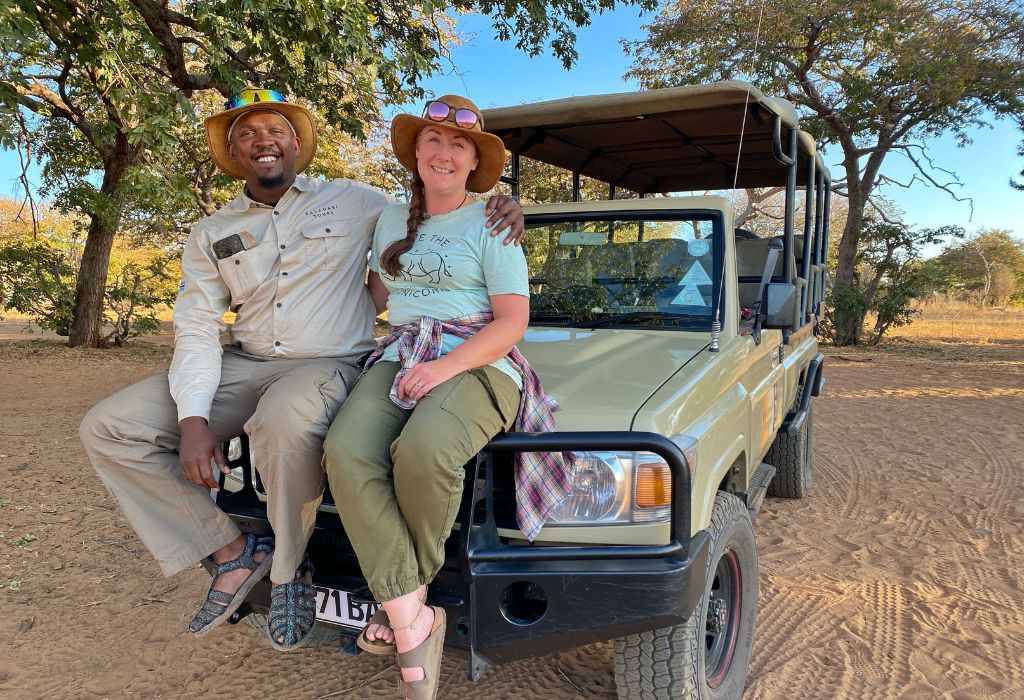
These, particularly those with rooftop tents and camping equipment, can become quite expensive. It’s no surprise that many South Africans simply drive their own 4x4s across the border for extended camping trips.
Personally though, I think Botswana is one of those countries that’s even better with an experienced guide. The roads through the national parks can be deep sand, navigation isn’t always straightforward, and guides know where to look for wildlife and how to safely handle the more challenging conditions.
Rather than concentrating on driving, digging yourself out of sand or wondering which track to take, you can simply sit back, relax and enjoy the incredible scenery and wildlife.
While park entrance fees are generally quite reasonable, guided safari activities can be expensive. This is largely due to the remote nature of many of Botswana’s national parks, the specialist vehicles and boats required, and the relatively small number of visitors compared with other safari destinations.
For example, a full-day game drive in Chobe National Park can cost around US$150–190 per person, including park fees. Although that might sound expensive at first, it’s actually excellent value when you consider that the price includes transport, an experienced guide and park entry.
For comparison, park fees alone in some of Africa’s most famous safari destinations can be considerably higher.
Overall, Botswana isn’t a budget safari destination, but considering the quality of the wildlife experiences, the low visitor numbers and the pristine wilderness, I think it offers excellent value for money.
If you’re comparing Botswana safari prices, SafariBookings is a useful place to see tours from different safari operators side-by-side, including itineraries, prices and reviews.
The Local Currency
The currency in Botswana is the Botswana Pula (BWP).
The word Pula actually means “rain” in Setswana – something that’s incredibly precious in this largely arid country.
While some tourist businesses accept US Dollars, you’ll generally get better value by paying in Pula whenever possible.
Getting Local Currency
The easiest (and usually cheapest) way to get local currency is to withdraw Botswana Pula (BWP) from an ATM after you arrive.
You’ll find reliable ATMs in larger towns such as Maun and Kasane, and using these is generally much better value than exchanging cash at airports, hotels or bureaux de change, which often offer poorer exchange rates and charge additional fees.
If you’re travelling to remote areas or heading out on safari, I recommend withdrawing enough cash beforehand, as you may not come across another ATM for several days.
Although ATMs in the main towns are generally reliable, they can occasionally run out of cash or lose their network connection, so it’s always sensible to carry a little backup cash too.
Using Your Debit & Credit Cards
Like many African countries, Visa is generally more widely accepted than Mastercard, both for paying by card and withdrawing cash from ATMs.
That said, Mastercard acceptance has improved significantly in recent years, and you’ll be able to use it in many places. If you have the choice, though, I’d recommend bringing a Visa card, as it’s still the more reliable option.
I also wouldn’t rely on American Express, as it’s accepted in relatively few places.
Credit and debit cards are widely accepted at most hotels, lodges, restaurants and activity providers. However, it’s still worth carrying some cash for smaller shops, local markets, tips and the occasional place that doesn’t accept cards.
When paying by card or using an ATM, you may be asked whether you’d like to pay in Botswana Pula (BWP) or your home currency (such as Pounds or US Dollars). I always choose to pay in Pula, as this usually gives you the better exchange rate. Choosing your home currency often means accepting an exchange rate set by the retailer or ATM provider.
Finally, I’d highly recommend using a bank card that doesn’t charge foreign transaction or ATM withdrawal fees, as these charges can soon add up.
Should You Bring USD?
Yes – I always recommend bringing some US Dollars as a backup, especially if your trip also includes countries such as Zambia or Zimbabwe.
If you do bring Dollars, make sure the notes are in good condition, with no tears or writing. It’s also worth bringing relatively recent notes, as older or damaged notes can sometimes be refused in parts of Southern Africa.
Tipping Etiquette
Tipping is customary in Botswana and is greatly appreciated by guides and staff working in the tourism industry.
Many safari camps and lodges provide tipping guidelines, and if you’re travelling on an organised tour, your tour leader will usually advise you on appropriate amounts.
It’s also useful to carry some smaller Pula notes for tipping porters, housekeeping staff or anyone who helps with your luggage.
The Internet in Botswana
WiFi in Botswana
Many hotels, lodges and safari camps offer WiFi, although the speed and reliability can vary considerably.
In larger towns such as Maun and Kasane, WiFi is usually good enough for checking emails, browsing the internet and using social media.
I’d let family and friends know in advance that there may be times when you’re completely out of contact for a day or two – but that’s kind of the magic of being out in the African wilderness!
Getting a Local SIM Card
If you’d rather use a local SIM card than an eSIM, they’re easy to buy once you arrive in Botswana. In my experience, Mascom and Orange tend to be the best networks.
You can usually pick one up from official network shops in towns such as Maun and Kasane.
You can also sometimes get them in supermarkets, but it’s generally easier to get one from an official shop. You’ll need to take your passport with you, as SIM cards need to be registered before they can be activated.
Should You Get an eSIM?
If your phone is compatible, I’d recommend getting an eSIM before you travel.
They’re quick to set up, often competitively priced, and save you the hassle of finding a local SIM shop when you arrive.
There are plenty of providers available, including Airalo, Nomad and Holafly, which offer Botswana data packages.
Ideally, install your eSIM before you leave home so you’re ready to get connected when you arrive. Just make sure you follow the individual provider’s instructions about when to activate it.
If you forget, don’t worry. You can usually sort it out later when you’re connected to WiFi, and most hotels and lodges offer some form of internet access.
Mobile Signal on Safari
Don’t expect to be connected all the time.
While you’ll usually have signal in the main towns, coverage becomes much less reliable once you head into the national parks.
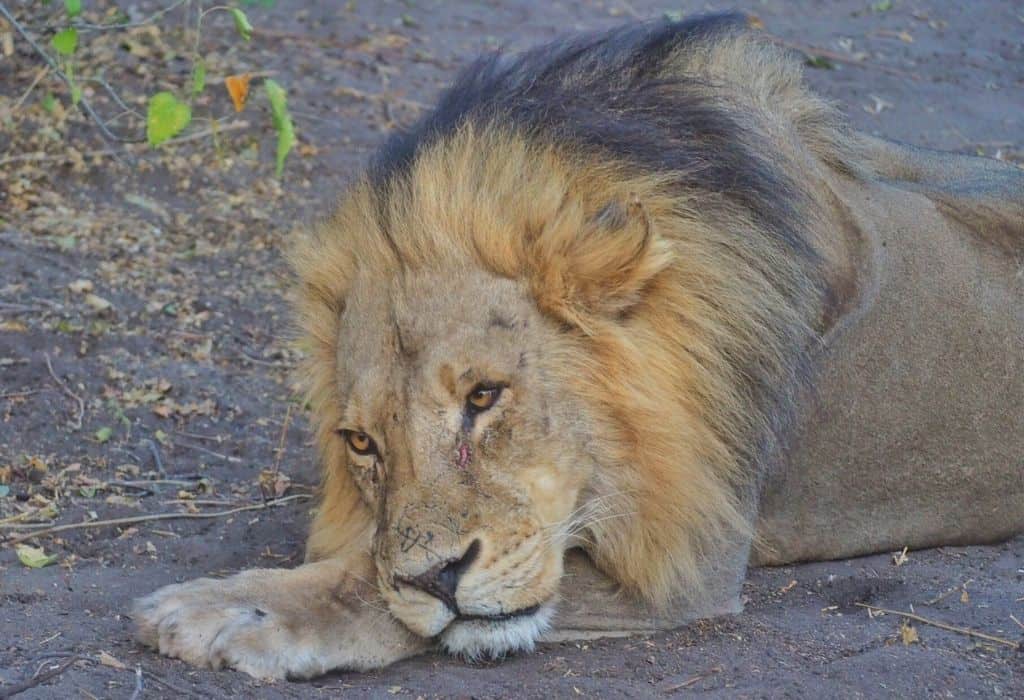
In remote areas such as the Okavango Delta, Makgadikgadi Pans and parts of Chobe National Park, you may have little or no signal for hours – or even days – at a time.
Whilst many lodges have WiFi, speeds can vary, and if you’re camping, you’ll probably be completely offline.
Rather than seeing it as an inconvenience, embrace it! One of the best things about a Botswana safari is having the chance to switch off from emails, social media and notifications and simply enjoy being surrounded by incredible wildlife and some of the most beautiful wilderness on Earth.
Transport To & Around Botswana
How to Get to Botswana
There are several ways to get to Botswana, depending on where you’re travelling from and which part of the country you plan to visit.
Many international visitors arrive by flying into Maun, Kasane or the capital city, Gaborone. If you’re travelling from Europe or North America, you’ll often connect via Johannesburg in South Africa, although there are connections through other African hubs too.
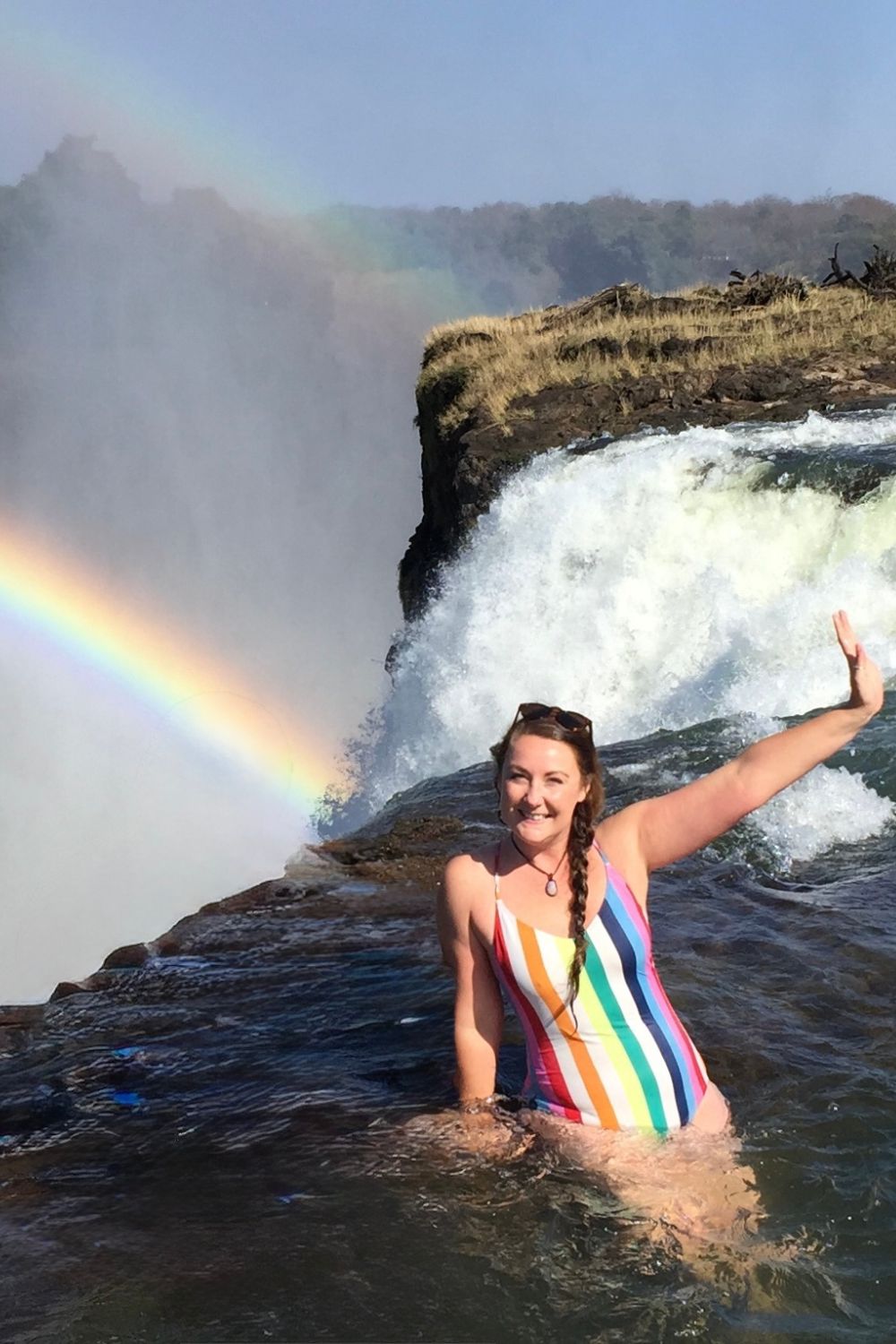
Depending on your itinerary, you could also fly into Victoria Falls in Zimbabwe or Livingstone in Zambia and travel overland to Kasane.
This is a popular option if you’re combining Botswana with a visit to Victoria Falls, as it’s relatively easy to cross the border between the countries.
Many travellers choose to combine Botswana with neighbouring countries such as Namibia, Zimbabwe, Zambia or South Africa, either on a self-drive adventure or as part of a multi-country itinerary.
One of the things I love about Southern Africa is how easy it can be to experience several incredible countries in one trip.
Tip: If you’re planning to visit Chobe National Park and Victoria Falls, it’s worth comparing flight prices into Kasane, Victoria Falls and Livingstone. Sometimes flying into one airport and out of another can save both time and money.
How to Get Around Botswana
Botswana is a vast country with relatively few roads, so getting around often takes longer than people expect.
Distances between destinations can be significant, but the scenery and wildlife sightings along the way make the journey part of the adventure.
If you’re travelling independently, hiring a car gives you the greatest flexibility. A standard 2WD is perfectly adequate for travelling between many towns on sealed roads, but if you’re planning to explore the national parks, you’ll usually need a fully equipped 4×4, as many of the tracks are sandy, uneven and can become flooded during the rainy season.
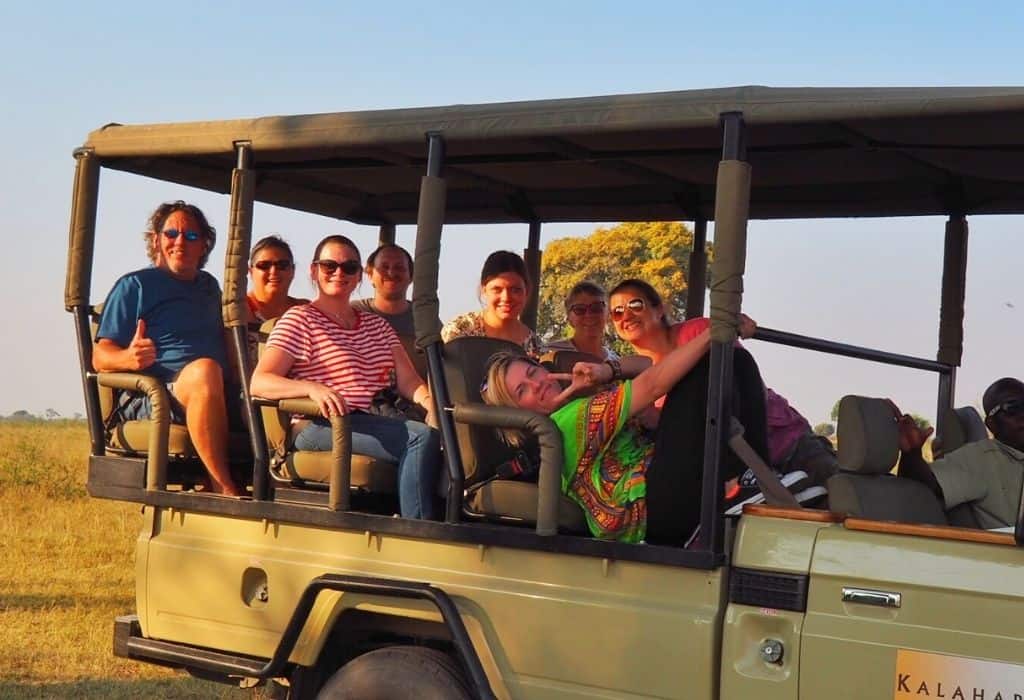
Light aircraft flights are another popular way of getting around, particularly if you’re staying in one of the more remote lodges in the Okavango Delta, where some camps are most easily accessed by air.
Personally, I prefer travelling with a guide. Not only does it take the stress out of driving and navigation, but you also benefit from local knowledge, wildlife-spotting skills and someone who understands the road conditions.
If you’re travelling independently rather than joining an organised group trip, you can compare Botswana safari tours and operators on SafariBookings.
It means you can simply sit back, enjoy the scenery and concentrate on the safari rather than the logistics.
Driving in Botswana
Driving in Botswana is generally straightforward on the main roads, which are mostly tarred and in good condition.
However, once you leave the towns and enter the national parks, it’s a completely different story.
Many safari tracks consist of deep sand, uneven terrain and occasional water crossings, all of which require a capable 4×4 and some off-road driving experience.
If you’ve never driven in deep sand before, it can be surprisingly challenging.
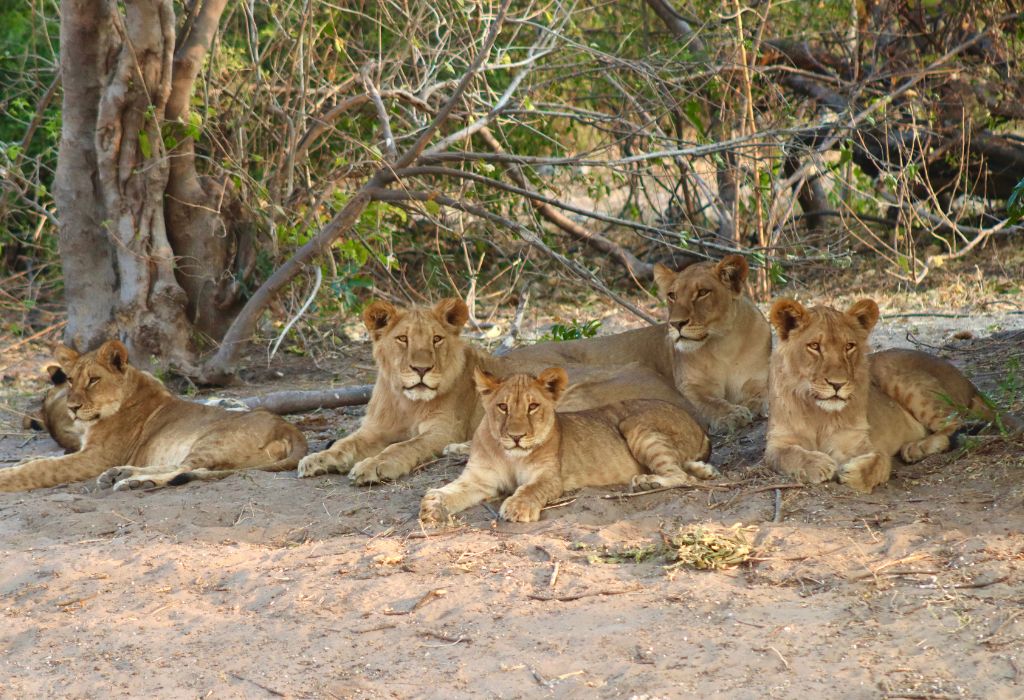
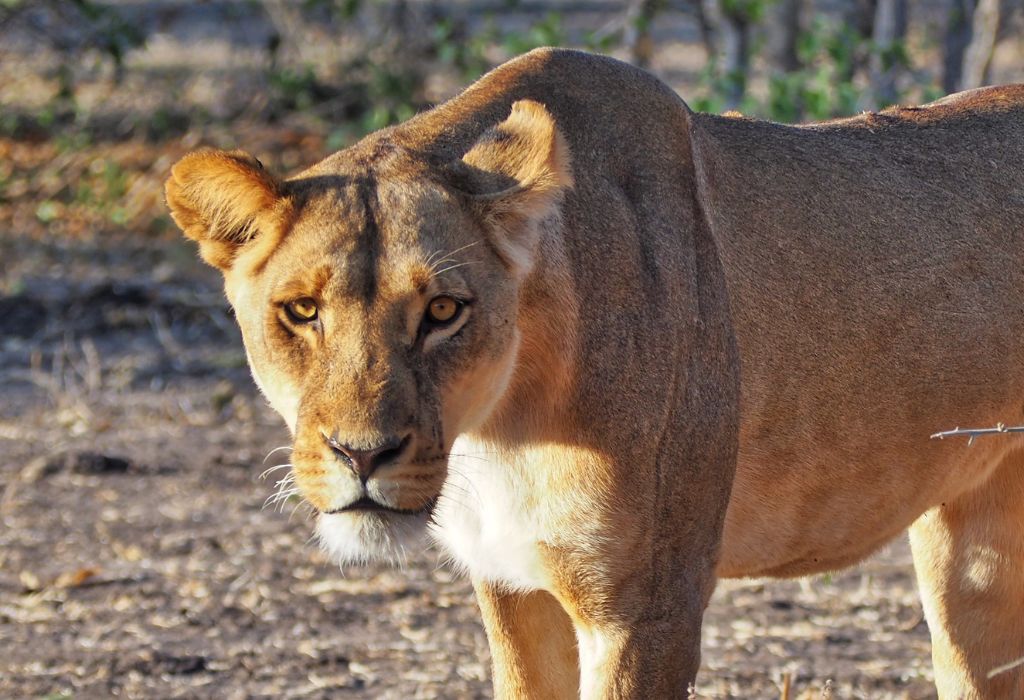
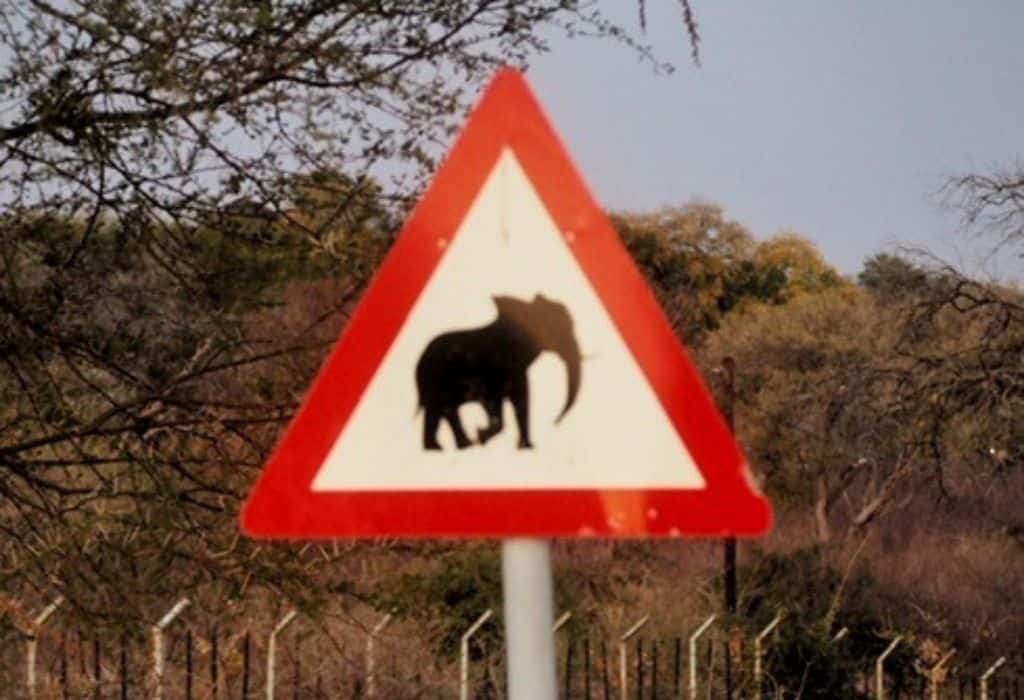
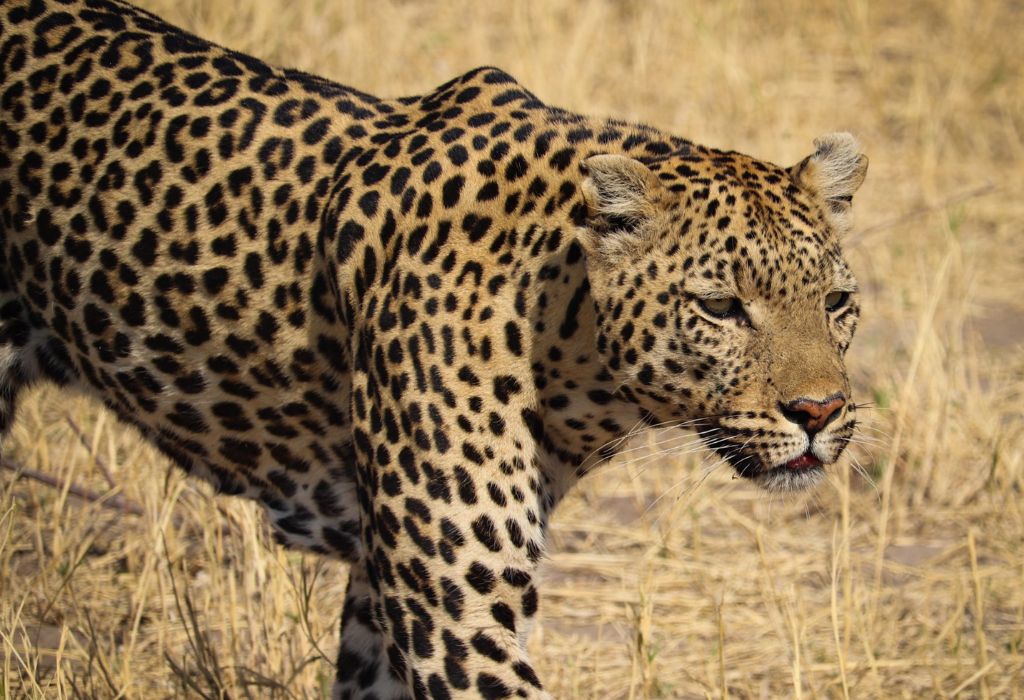
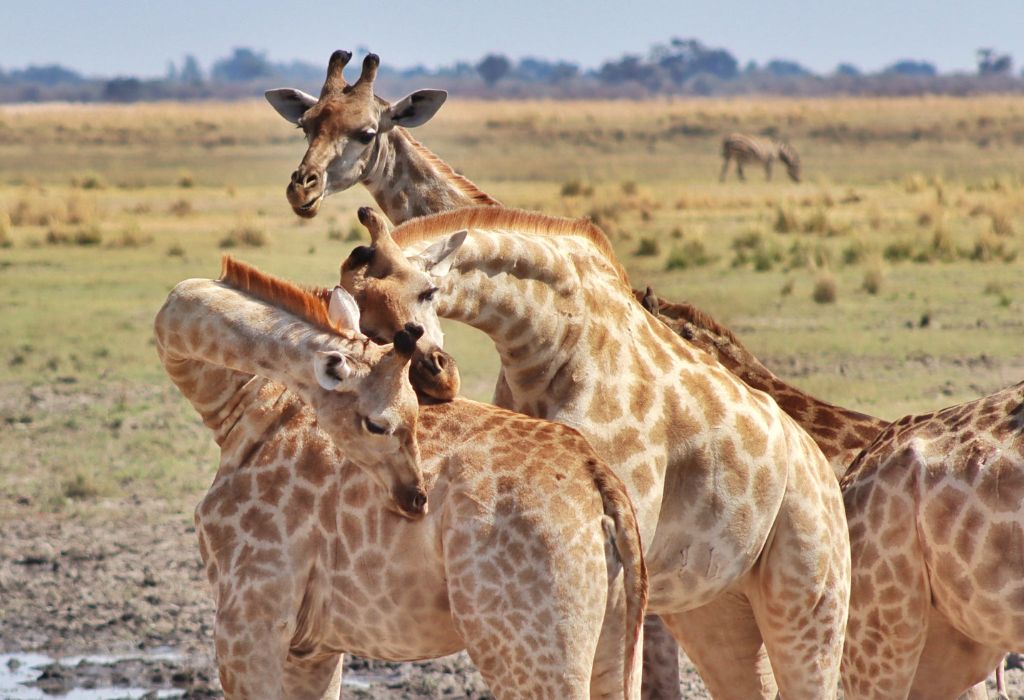
It’s also worth remembering that this is a wildlife destination. It’s not unusual to come across elephants, giraffes, buffalo or even lions on or beside the road, particularly within the national parks.
Give animals plenty of space and always let them move on in their own time – they have right of way!
Driving at Night
I’d strongly recommend avoiding driving after dark wherever possible.
Livestock, wildlife and pedestrians are common on the roads, and many are difficult to spot until the last moment. In rural areas, roads are often unlit, and animals such as elephants and donkeys can wander onto the road without warning.
If you’re planning a self-drive trip, aim to reach your accommodation well before sunset.
Not only is it much safer, but you’ll also avoid the stress of navigating unfamiliar roads in the dark.
Drive Days Are Longer Than You Think
When planning your itinerary, don’t rely solely on Google Maps.
Road conditions, wildlife sightings, veterinary checkpoints and photo stops can all add time to your journey.
You’ll almost certainly want to stop to admire the scenery or photograph elephants by the roadside, so it’s always worth allowing a little extra time.
Keep a Flexible Schedule
One of the best pieces of advice I can give for travelling in Botswana is to embrace a flexible mindset.
Sometimes you’ll get delayed by a herd of elephants crossing the road. Sometimes you’ll stop for an hour because you’ve spotted a pride of lions. Other times, you might hit a patch of deep sand or encounter an unexpected delay.
That’s all part of the experience.
Some of my favourite memories from Botswana weren’t planned at all – they happened because we slowed down, went with the flow and let Africa set the pace.
If you can do the same, you’ll have a much more enjoyable trip.
Health & Safety
Is Botswana a Safe Place to Visit?
Botswana is generally considered one of the safest countries to visit in Africa, and I’ve always felt very comfortable travelling there.
As anywhere, you should still take the usual precautions, particularly in towns and cities. Keep an eye on your belongings, avoid flashing expensive items around and ask your accommodation or guide for local advice if you’re unsure about walking somewhere alone, particularly after dark.
But for most travellers, the bigger safety consideration in Botswana isn’t crime – it’s the wildlife.
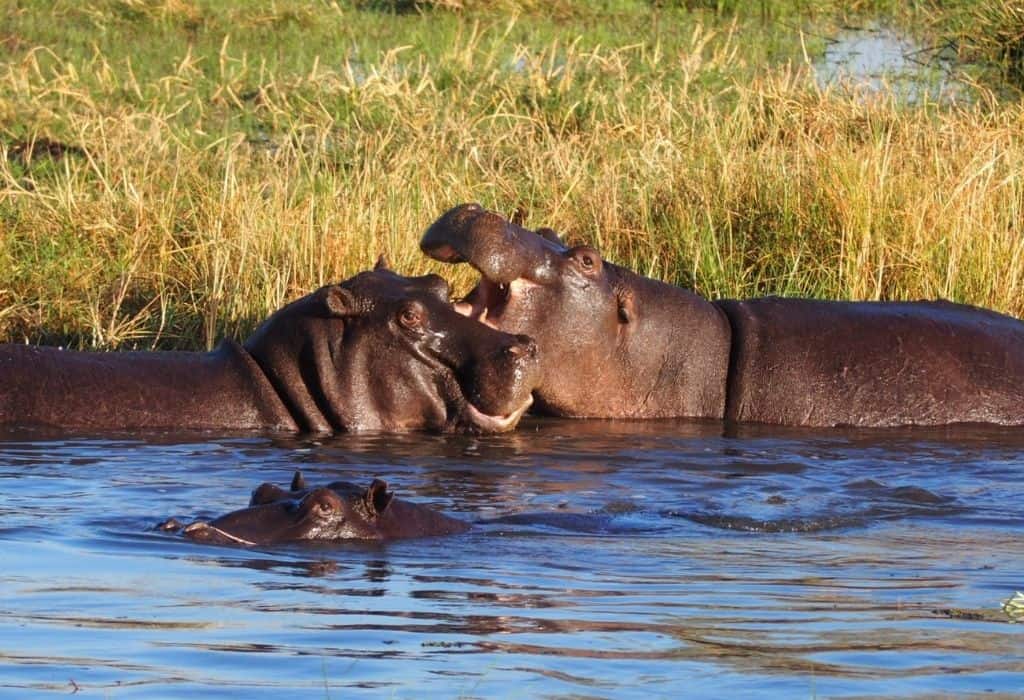
In safari areas, elephants and other wild animals can wander through camps, lodges and even towns. Always listen to your guides and accommodation staff, never approach wildlife, and don’t assume an animal is safe simply because it appears calm.
Is Botswana Safe for Solo Travellers?
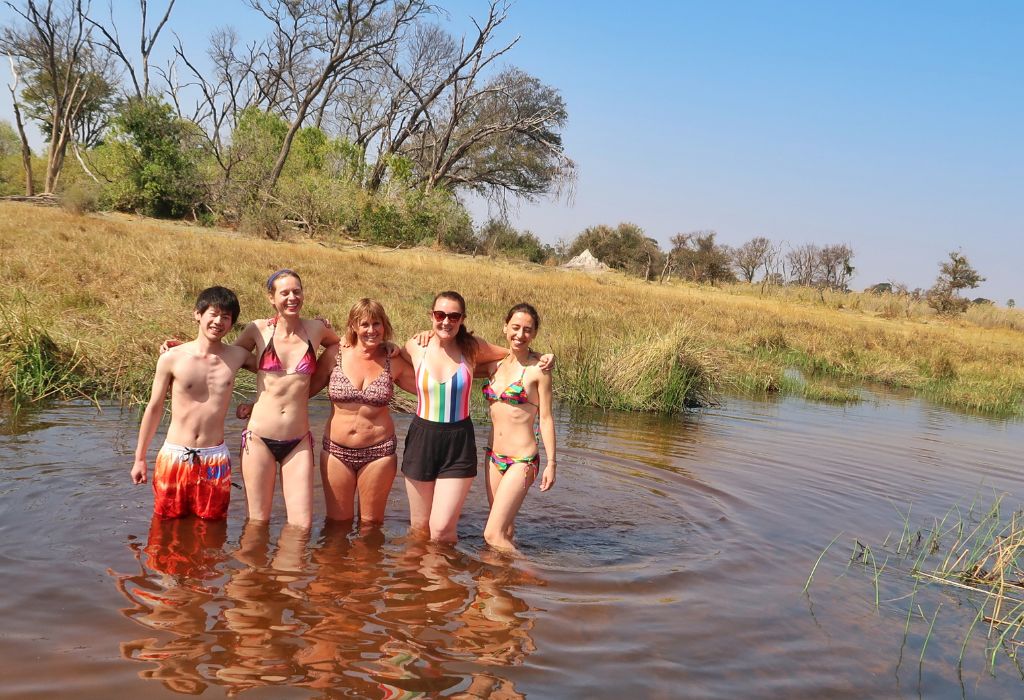
Yes, I’d say Botswana is generally a safe country for solo travellers. The bigger issue isn’t necessarily safety – it’s practicality.
There is public transport in Botswana, and you can travel between some of the main towns by bus. However, public transport won’t necessarily take you to the national parks, safari camps and more remote places you’ll probably want to visit.
One option is to travel independently between places such as Maun and Kasane, then join organised safaris and activities once you get there. There are plenty of safari operators in both towns, and you can compare Botswana safari tours on SafariBookings before you go.
You could also hire a car. I’ve done this myself before and, while it gave us much more freedom, we managed to get stuck in the sand a few times – and we weren’t even inside the national parks! We were literally just driving from the main road to our camps.
If you want to self-drive inside places such as Moremi Game Reserve or Chobe National Park, you’ll need a proper 4×4 and I’d recommend having some experience driving in deep sand and remote conditions.
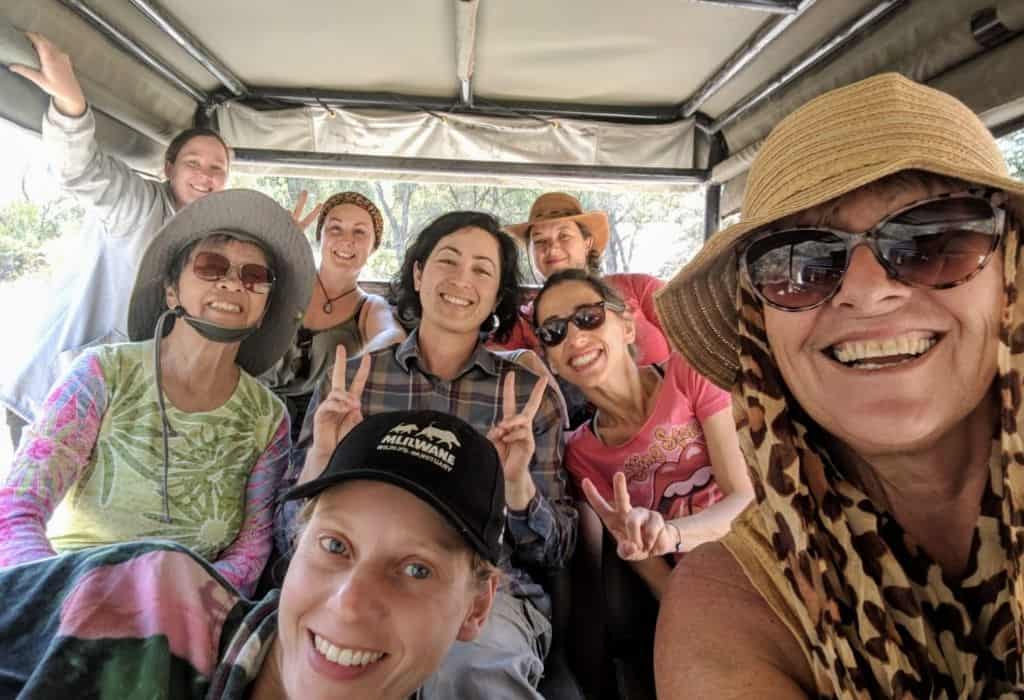
For solo travellers who don’t want the hassle of organising all of that themselves, joining a small-group safari (come with me) can be a much easier option. You still get the adventure, but the transport, guides and safari logistics are taken care of – and you have people to share the experience (and the costs) with
Do You Need Malaria Tablets?
Malaria is present in parts of Botswana, particularly in the north of the country, which includes many of the main safari areas.
Whether you need antimalarial medication will depend on where you’re travelling, the time of year and your individual circumstances, so this is something I’d discuss with a travel health professional before your trip.
Regardless of whether you take antimalarials, it’s sensible to avoid mosquito bites as much as possible. Use insect repellent, cover your arms and legs in the evenings where practical, and use mosquito nets where they’re provided.
Travel Insurance
Medical care across most African countries is generally not free, and payment may be required before treatment. It’s therefore essential to have comprehensive travel insurance for Botswana. I’ve written a full guide to travel insurance for Africa here, including what to look for when choosing a policy.
I’d also make sure your policy covers the safari activities you’re planning to do and provides sufficient emergency evacuation and repatriation cover, particularly as you may be travelling in very remote areas.
In addition to medical coverage, ensure your travel insurance includes provisions for delays, trip curtailment (should you need to cut your trip short), theft and lost luggage.
It’s important to arrange travel insurance as soon as you book your flights or trip, rather than waiting until just before you leave. This ensures you’re covered for eligible unforeseen circumstances that may prevent you from travelling between booking and departure.
What to Pack for Botswana
Packing for Botswana is similar to what to pack for the rest of Africa.
Clothes should generally be comfortable, lightweight and breathable, but don’t make the mistake of assuming Botswana is always hot.
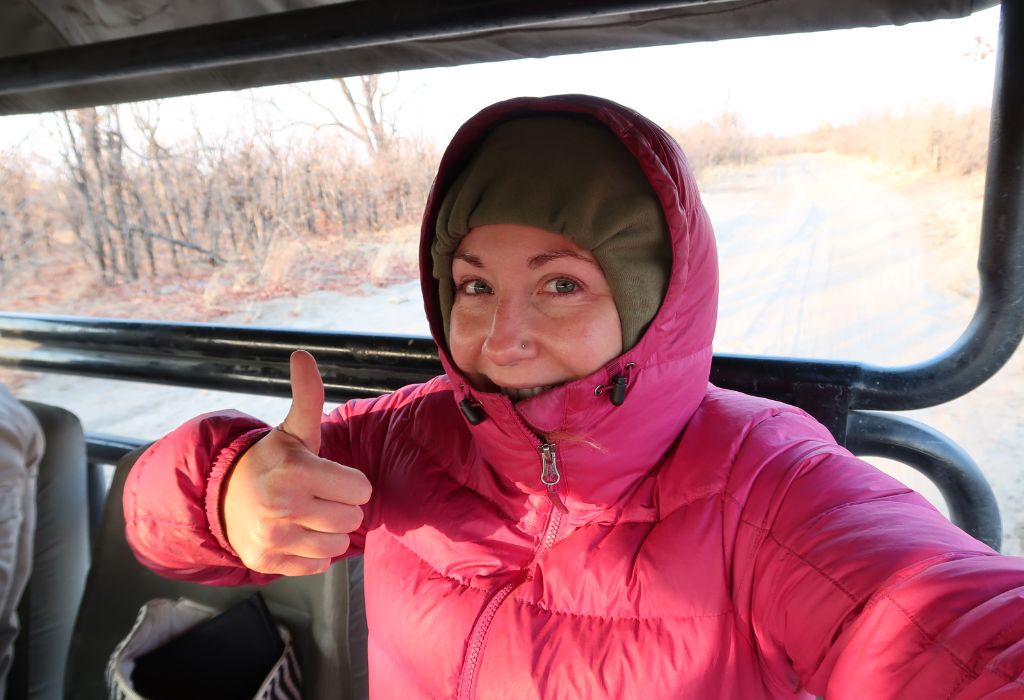
If you’re travelling during the dry winter months, particularly between June and August, early mornings and evenings can be really cold. And when you’re sitting in an open safari vehicle before sunrise, it can feel even colder!
Layers are your friend and don’t forget to check the expected temperatures and likelihood of rain for the specific time of year and places you’re visiting.
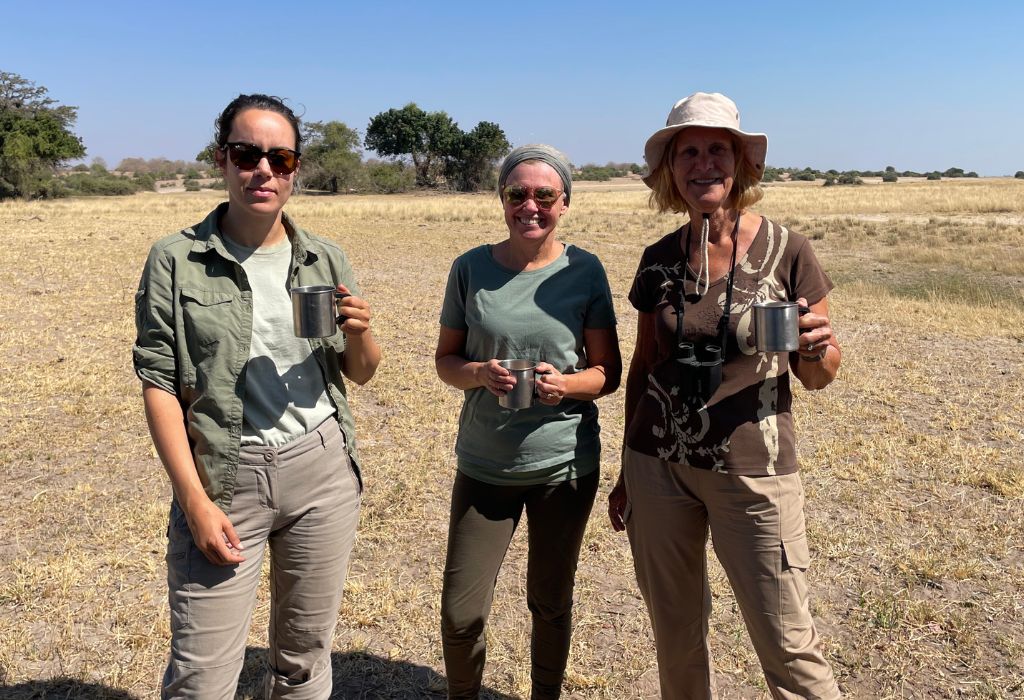
You don’t need to wear safari gear, but they do recommend it for walking safaris. For any other type of safari, it doesn’t really matter.
A few things I’d recommend bringing include:
- Lightweight, comfortable clothing (with some neutral colours if doing a walking safari).
- A warm fleece or jumper.
- A lightweight warm jacket for early morning and evening game drives (especially if coming May – August).
- A sun hat.
- Sunglasses.
- High SPF sunscreen.
- Comfortable closed shoes or trainers.
- Sandals for around camp (not Birkenstocks as they get filled with thorns or Flip Flops as the thorns go through them).
- Insect repellent.
- A small day bag.
- A reusable water bottle.
- A power bank (and wires).
- A head torch, especially if you’re camping.
- Binoculars – you will use them!
- Camera, spare batteries and plenty of memory cards.
- A swimsuit.
- Something to protect your camera and electronics from dust.
- Buff/dust mask.
If you’re camping or travelling in a safari vehicle with limited luggage space, try not to overpack. Soft-sided bags are generally much easier to squeeze into safari vehicles than large hard-shell suitcases, and light aircraft transfers can have stricter luggage restrictions.
I usually travel with my Bagsmart Blast backpack as my carry-on, but it also doubles as my overnight safari bag. When I’m heading into the Okavango Delta or Chobe, I leave my main bag in storage at the hotel and just take the backpack with everything I need for a couple of nights.
Language in Botswana
English is an official language of Botswana and is widely spoken, particularly within the tourism industry, so English-speaking travellers generally won’t have any major communication problems.
Setswana is the national language and is spoken throughout much of the country, alongside a number of other local languages.
As always, I think it’s nice to learn a couple of local words before you go. You absolutely don’t need to speak Setswana to travel around Botswana, but making the effort is always appreciated.
A few useful words and phrases to learn include:
- Dumela – Hello (to one person)
- Dumelang – Hello (to more than one person)
- Ke a leboga – Thank you
- Tswee-tswee – Please
You’ll also hear the word Pula! a lot. As well as being the name of Botswana’s currency, pula means “rain” and is also used as a celebratory expression or toast – which gives you an idea of just how precious rain is in Botswana.
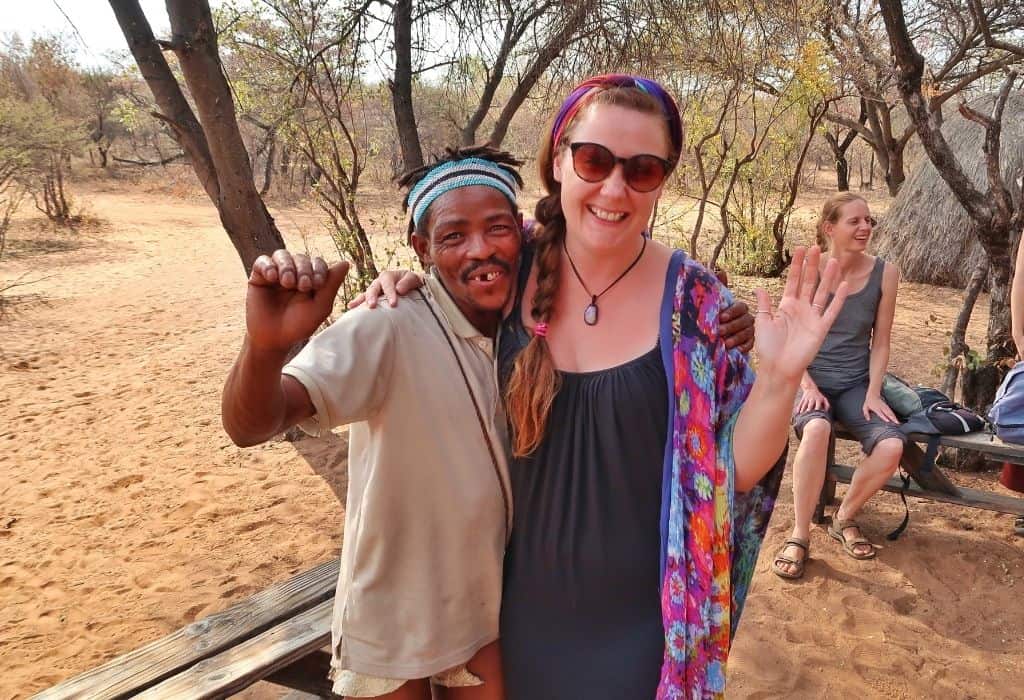
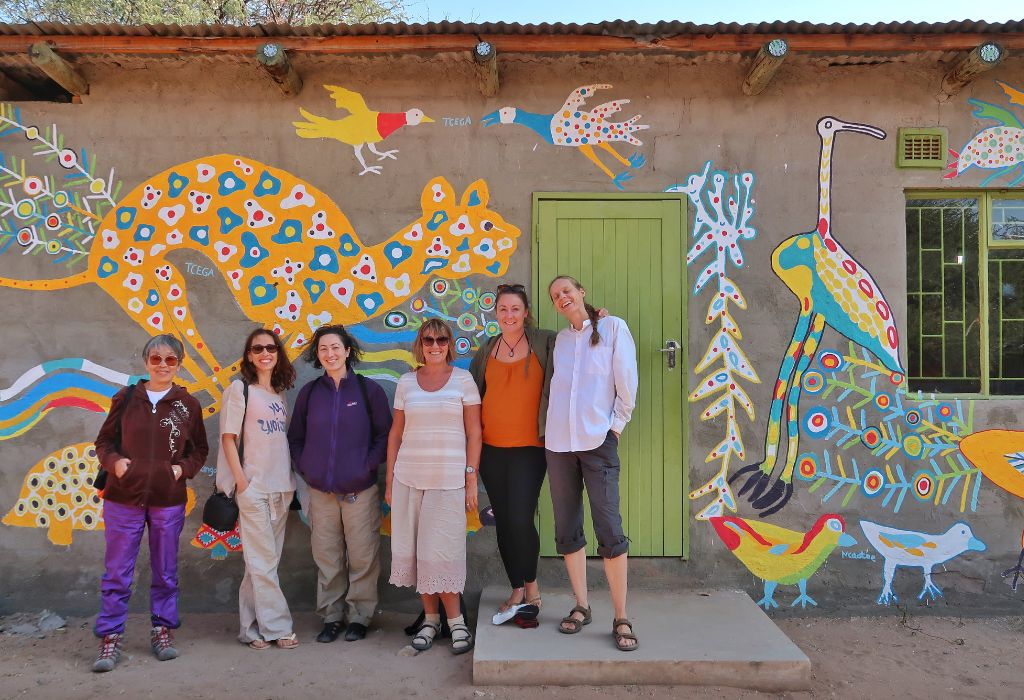
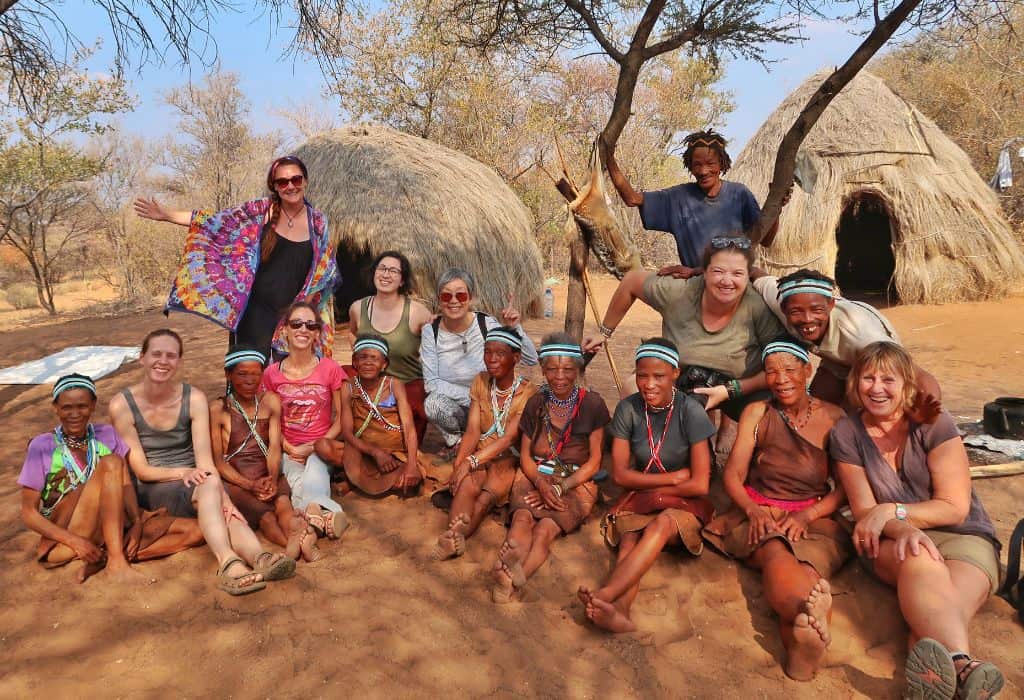
Botswana is also home to a number of San communities, who speak several different languages. Some of these are famous for their distinctive click consonants, and hearing them spoken is absolutely beautiful. There isn’t just one “San language” – different San groups speak different languages, many of which use clicks as part of everyday speech.
One of the most beautiful things to hear in Botswana is some of the languages spoken by the San communities, many of which use distinctive click consonants. There isn’t one single “San language” – different groups speak different languages – but hearing the clicks woven naturally into conversation is quite mesmerising.
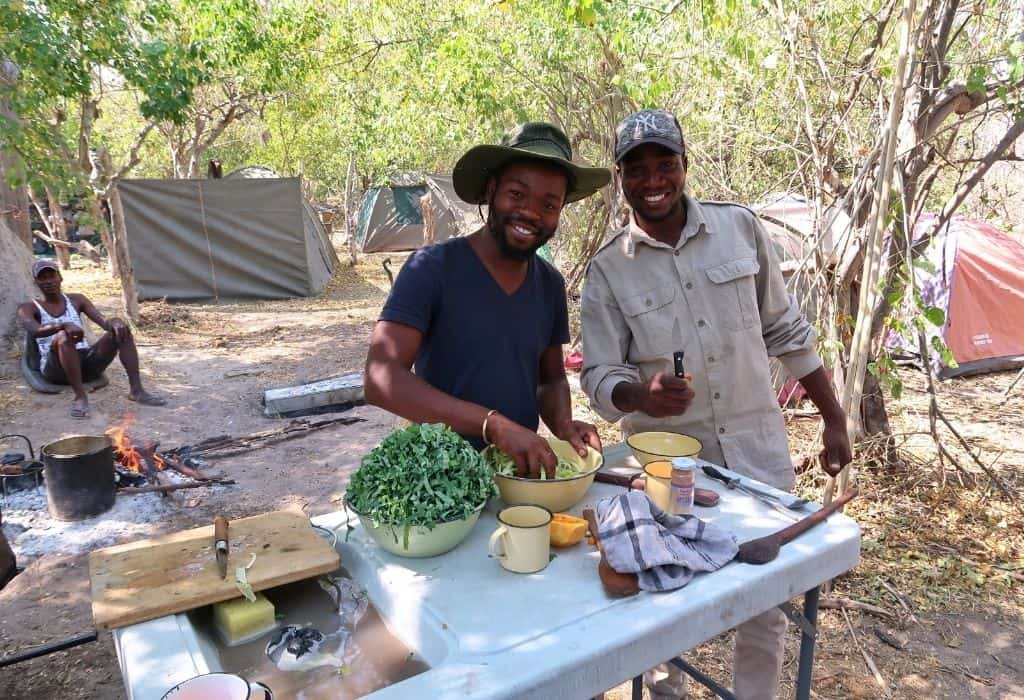
Food & Drink in Botswana
Traditional Botswana food is generally hearty and filling, with meat, grains and vegetables featuring heavily.
One of the best-known dishes is seswaa, a slow-cooked, pounded meat dish often served with bogobe (a type of porridge made from sorghum, maize or millet) and vegetables.
You’ll also find plenty of grilled meat, chicken, stews, rice and pap, particularly in more local restaurants.
If you’re staying in safari camps and lodges, the food is usually more international, often with a mixture of Western and African dishes. Meals can be surprisingly elaborate considering how remote some of the camps are!
Vegetarians are generally well catered for at established lodges and safari camps, although I’d always let your accommodation or tour operator know about dietary requirements in advance, particularly if you’re going somewhere remote where food supplies have to be brought in.
Drinking Water
Whether the tap water is suitable for drinking can vary depending on where you are, so I tend to follow the advice of the accommodation or guides locally.
In remote safari areas, camps will usually provide safe drinking water, either bottled or filtered.
Whatever you do, make sure you drink plenty. Botswana can be extremely hot and dry, and it’s surprisingly easy to become dehydrated when you’re out on safari all day.
Bringing a reusable water bottle is always useful.
Culture & Etiquette in Botswana
Botswana is generally a relaxed and welcoming country, but as with anywhere, being respectful of local customs goes a long way.
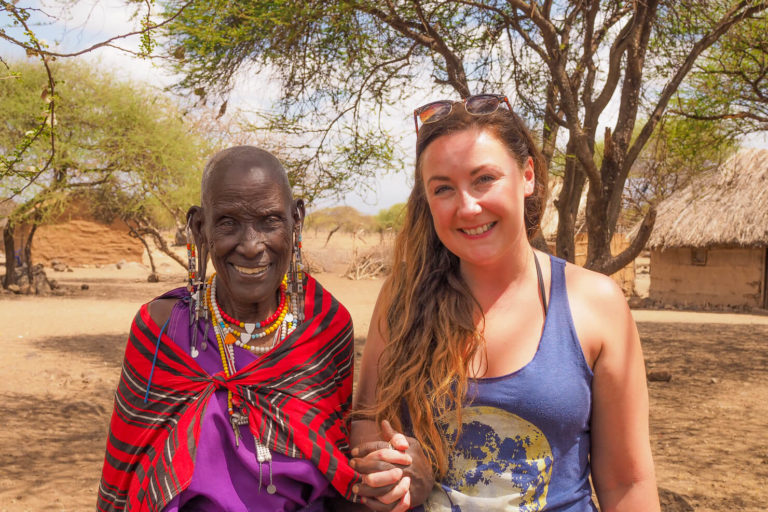
Greetings are important, so take the time to say hello before launching straight into a question or request. You’ll also see a lot of people grasping one arm with the other if greeting or receiving money.
When photographing people, always ask permission first. Most people are absolutely fine with photos when asked, but nobody wants a camera suddenly pointed in their face.
I’d also dress reasonably respectfully when you’re away from safari camps, particularly when visiting villages or local communities. You don’t need to cover yourself from head to toe, but very revealing clothing is not appropriate. This goes for most of Africa.
And if you’re visiting a community as part of an organised experience, follow the guidance of your local guide rather than treating the village like a tourist attraction. You’re visiting people’s homes and communities, so behave exactly as you’d want visitors to behave in yours.
What to Expect on Safari in Botswana
Botswana safaris can feel a little different from safaris in some other parts of Africa.
Distances can be huge, camps can be extremely remote, and some of the best experiences involve travelling deep into areas where there are few roads, few other vehicles and absolutely no phone signal.
That’s also exactly what makes Botswana so special.
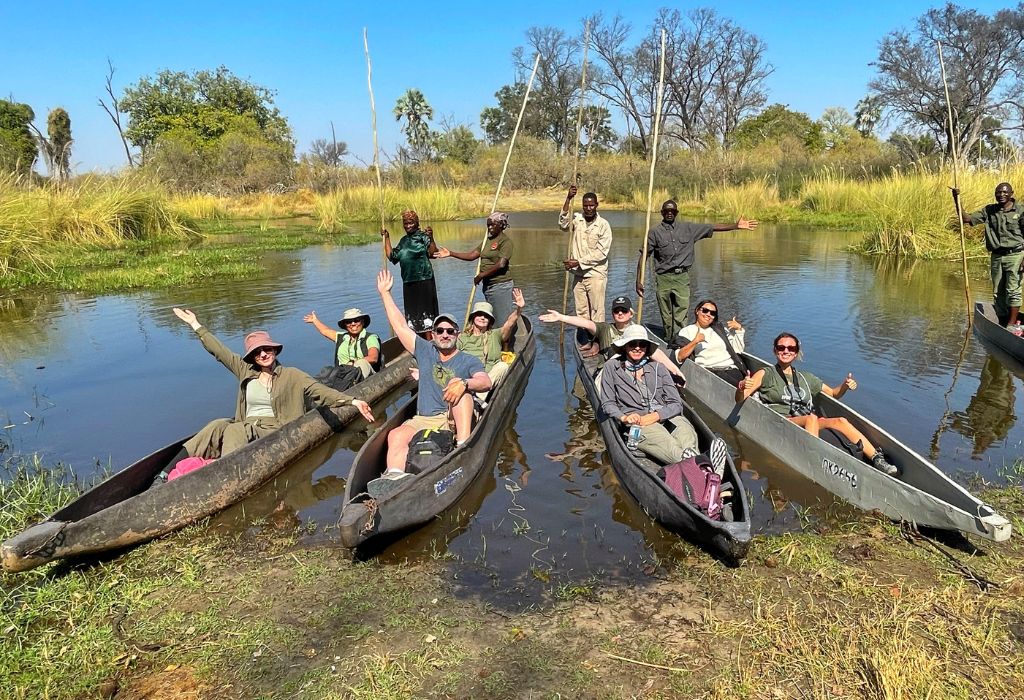
Depending on your itinerary, you might experience traditional game drives, boat safaris, mokoro trips, walking safaris, mobile camping or even scenic flights over the Okavango Delta.
Game Drives
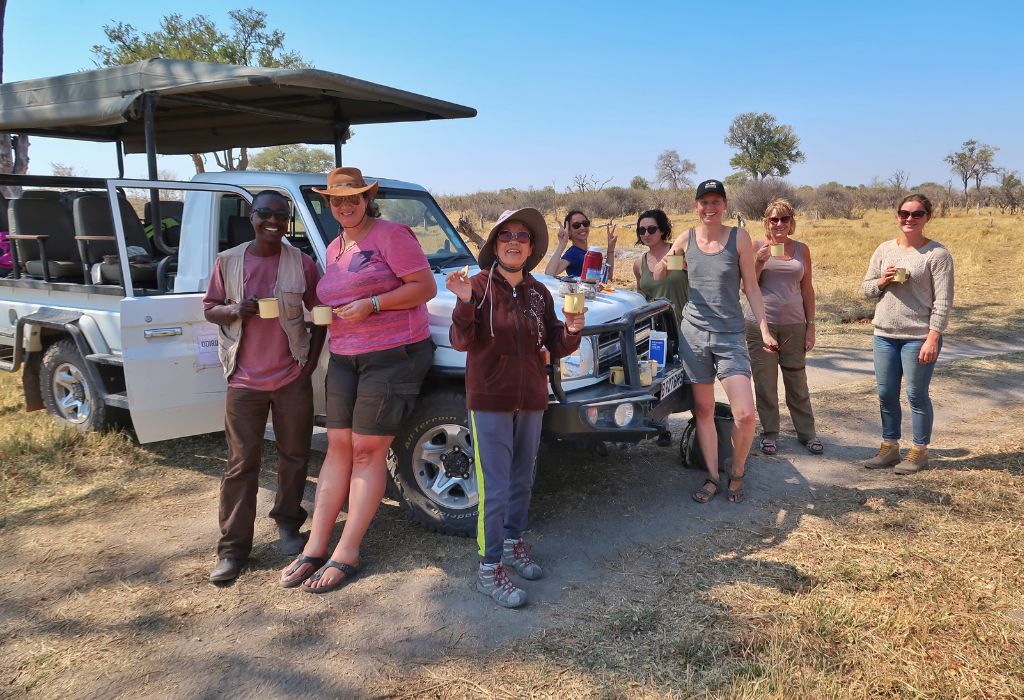
Game drives usually take place early in the morning and again in the late afternoon when wildlife is most active.
Early starts are very much part of safari life. Don’t be surprised if you’re drinking coffee at 5.30am before heading out into the bush!
Boat Safaris
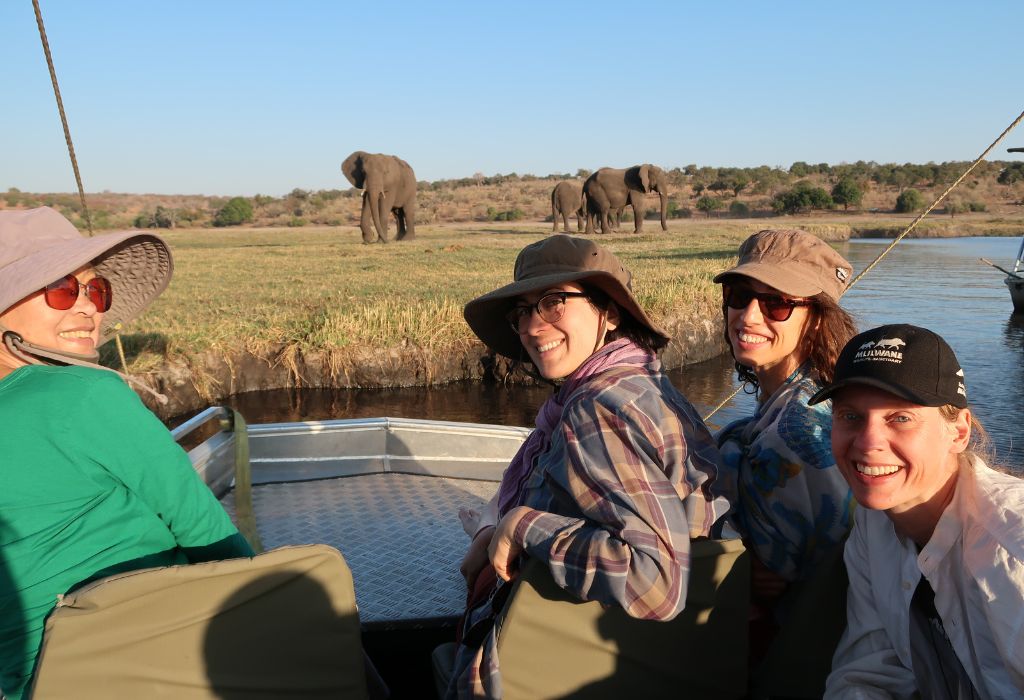
Boat safaris are another highlight, particularly on the Chobe River.
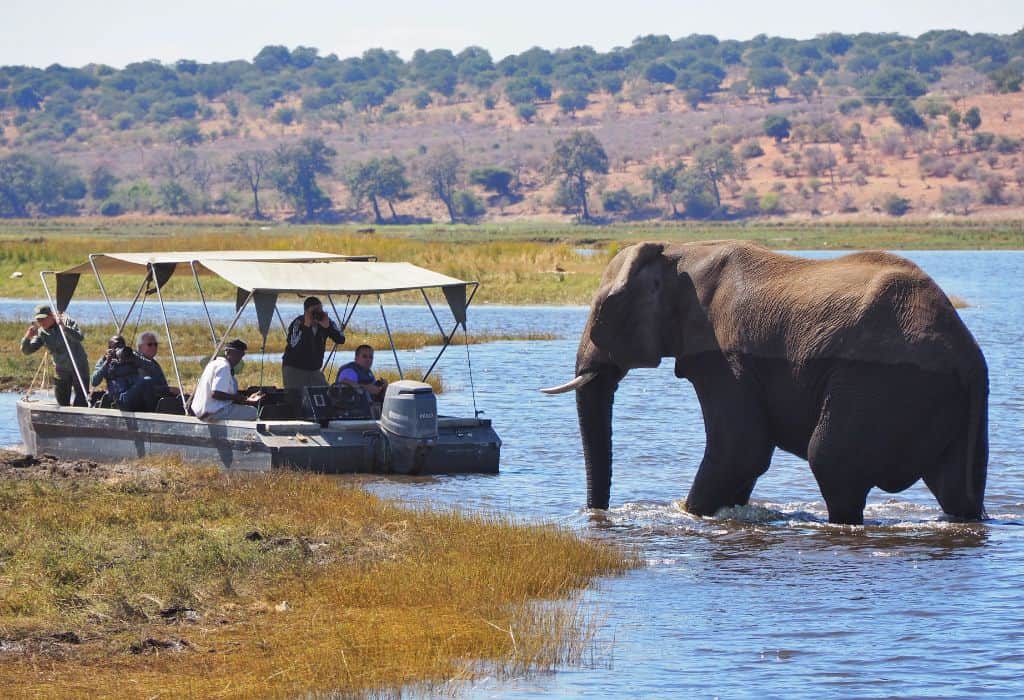
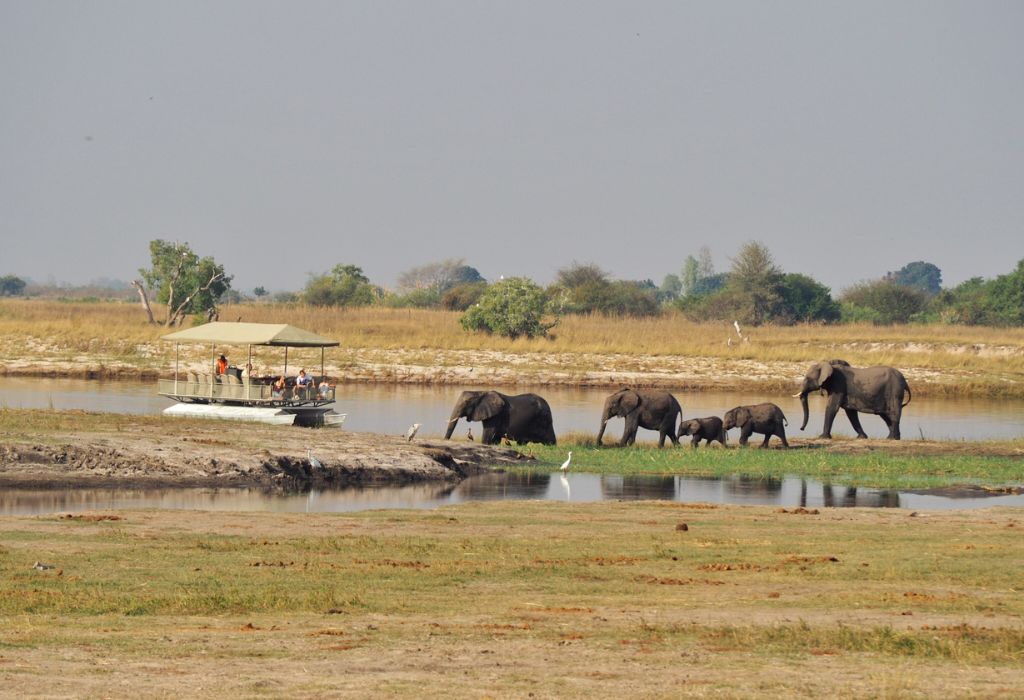
They’re fantastic for seeing elephants, hippos, crocodiles and birdlife from a completely different perspective, and there’s something very special about watching elephants drinking or swimming from the water.
Mokoro Trips
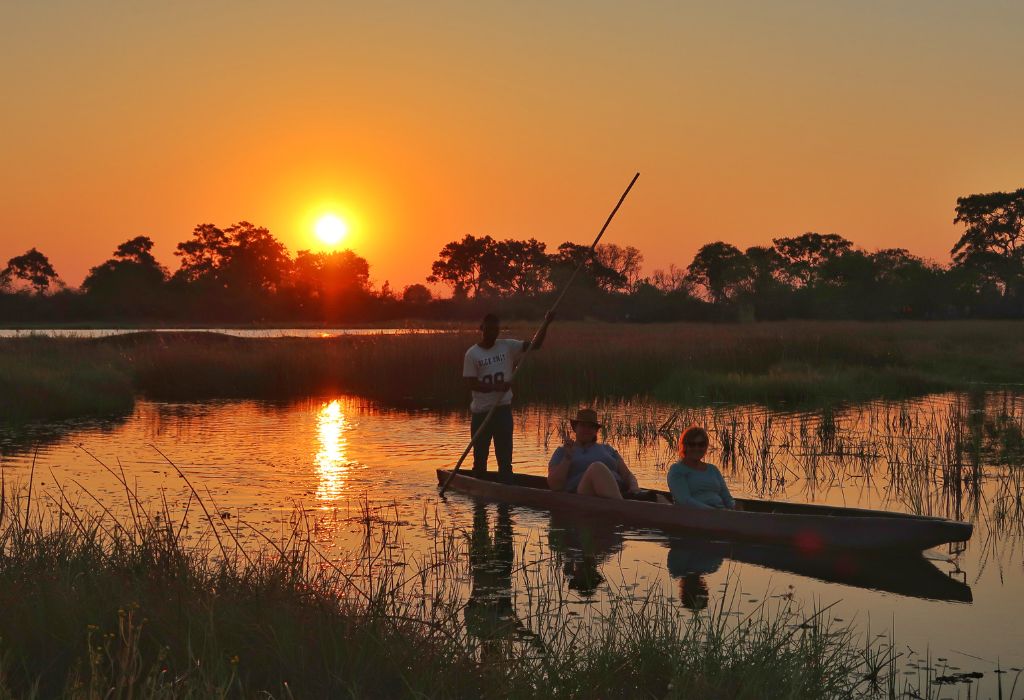
A mokoro is a traditional canoe used in the Okavango Delta.
Today they’re often made from fibreglass rather than hollowed-out tree trunks for conservation reasons, but the experience is wonderfully peaceful.
You’ll sit low in the mokoro while your poler guides you through the shallow waterways, reeds and channels of the Delta.
It’s a completely different experience from a game drive and one of those quintessential Botswana experiences I’d definitely recommend.
Mobile Camping Safaris
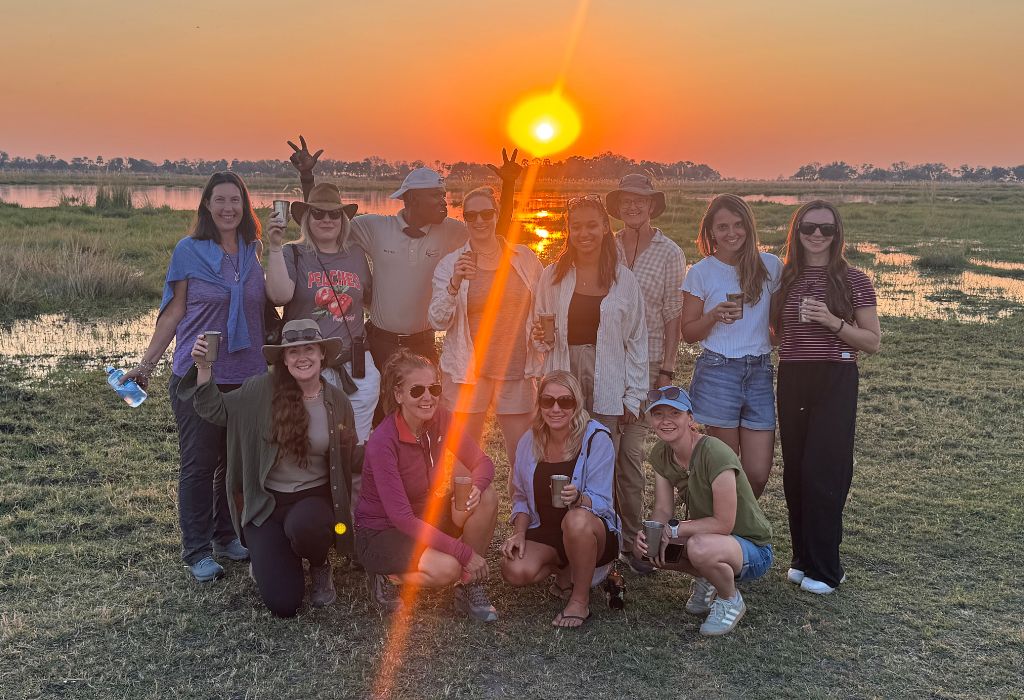
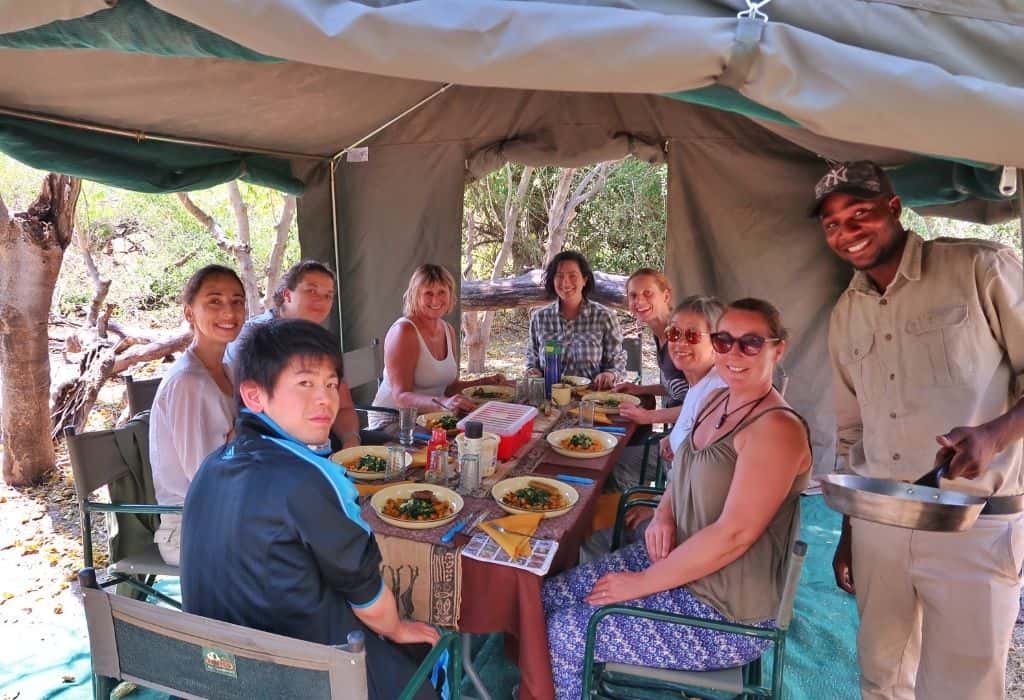
If you really want to experience Botswana’s wilderness, a mobile camping safari is one of my favourite ways to do it – and it’s exactly how we experience the Okavango Delta and Chobe National Park on my Rock My Botswana & Victoria Falls Adventure trips.
You’re camping right out in the bush, often in unfenced campsites, with wildlife all around you.
It doesn’t necessarily mean roughing it either. The way we do mobile camping is somewhere in the middle – not luxury glamping, but definitely not basic camping. We have proper beds, private bush toilets and showers, and a camp team who set everything up and cook incredible meals, while still getting that proper sleeping-in-the-wild experience.
You may hear elephants, hippos, hyenas or lions during the night, and you’ll need to follow the guides’ instructions about moving around camp after dark. For me, that’s all part of the magic.
A Few More Things to Know Before Visiting Botswana
Morning Game Drives Can Be Freezing
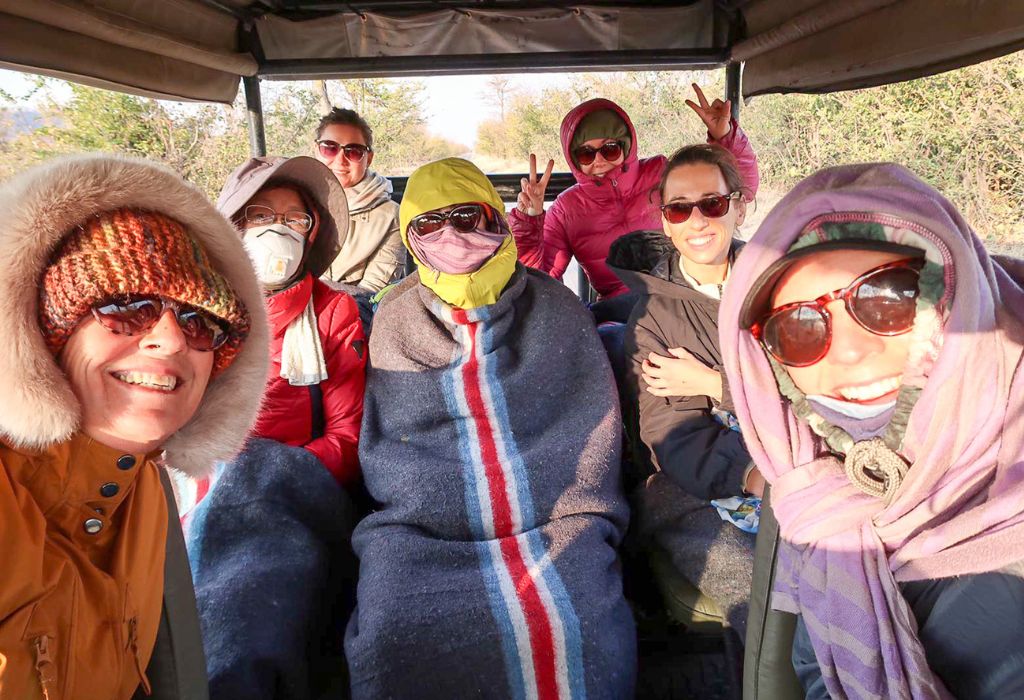
I know I’ve already mentioned this, but it’s worth saying again because Botswana can be REALLY cold in winter.
You’re probably picturing Africa as hot and sunny, but at 6am in an open safari vehicle in June, July or August, you’ll be very grateful for your fleece and down jacket (as well as gloves and wooly hat).
The temperature can change dramatically once the sun comes up, which is why layers are so useful.
Botswana Is Very Dusty
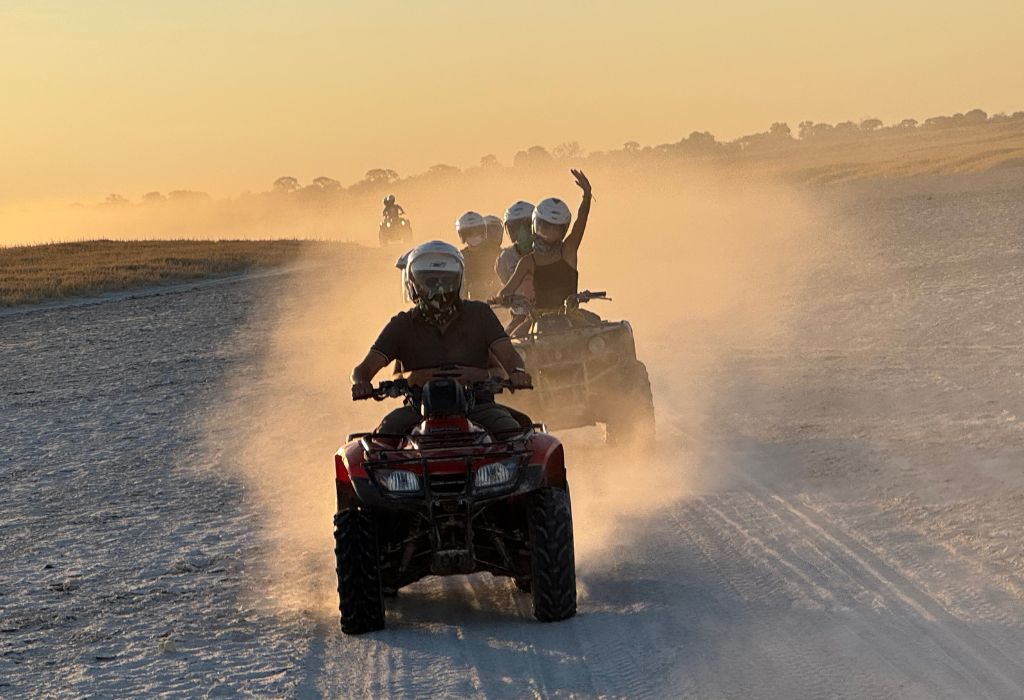
Botswana is one of the dustiest places I’ve ever visited. Your shoes will get dusty. Your clothes will get dusty. Your camera will get dusty. Your hair will get dusty.
Don’t bring your best clothes, and make sure you have something to protect expensive electronics and camera equipment.
I’d also suggest bringing a dust mask, a Buff for your hair and eye drops!
A 4×4 is Necessary in Some Places
Whilst you can drive on main roads in a 2-wheel drive car, many of the best destinations are only accessible by 4-wheel drive.
If you are going on an organised tour, they will arrange this for you, but if you are hiring your own car and want to visit national parks – do yourself a favour and hire a 4×4.
Wildlife Can Wander Through Camp
Many safari camps in Botswana are unfenced, which means animals are free to wander through. And they often do.
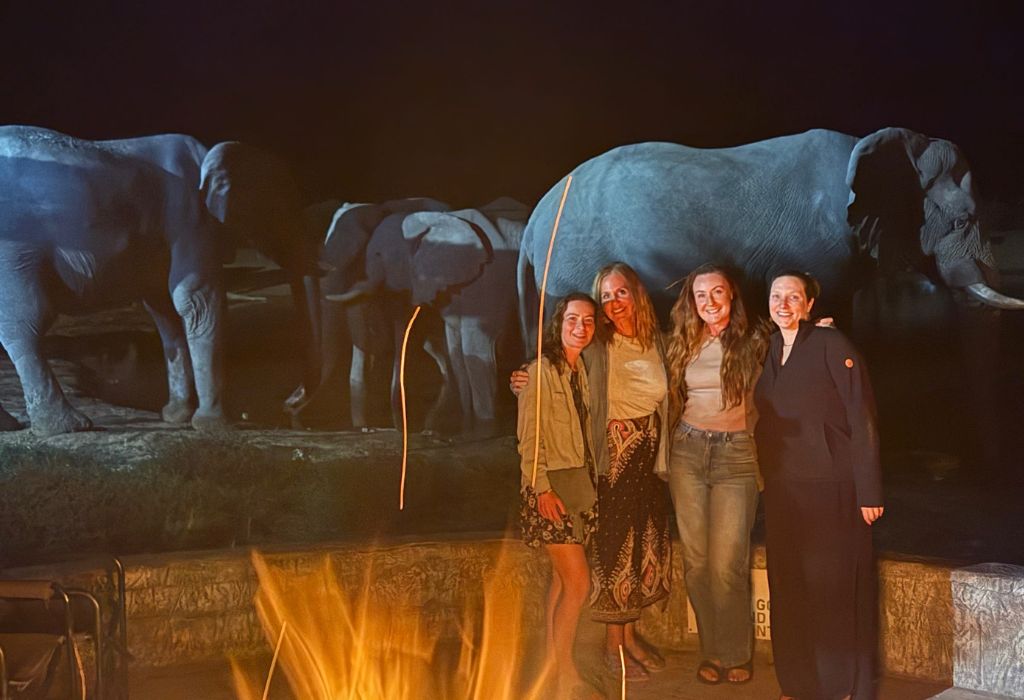
Always listen carefully to the safety briefing when you arrive and follow the rules about moving around camp after dark. If staff tell you that you need an escort back to your tent at night, get the escort. And whatever you do, don’t go wandering around camp by yourself in the middle of the night!
Safari Days Start Early
Botswana isn’t necessarily a lie-in kind of holiday. Some mornings will start before sunrise because that’s often when the wildlife viewing is at its best.
But there’s something pretty special about watching the sun rise over the African bush with a coffee in your hand.
Don’t Try to Cram Too Much In
Botswana is much bigger than it looks on a map, and travelling between places can take time.
I’d much rather spend longer in a few places than race around trying to tick off every national park.
Give yourself enough time to slow down and actually enjoy being there.
Combining Botswana With Victoria Falls
Botswana is very easy to combine with Victoria Falls, which is why you’ll often see the two destinations included in the same itinerary.
Kasane, the gateway to Chobe National Park, sits close to the borders with both Zambia and Zimbabwe, making it relatively straightforward to continue to either Livingstone or Victoria Falls.
If you’ve travelled all the way to this part of Southern Africa and have the time, I think it’s a fantastic combination.
Safari in Botswana followed by a few days around one of the world’s most spectacular waterfalls makes for a pretty epic trip.
Is Botswana Worth Visiting?
Oh my God – YES!!! Botswana is the best.
It’s one of my favourite countries in Africa and, alongside Kenya and Tanzania, I’d say Botswana is one of the best safari destinations in the world.
Botswana does have a slightly different feel to some other African countries though. It’s not that Botswana doesn’t have a rich culture – it absolutely does – but it’s a huge, sparsely populated country, so everyday life can feel a little less in-your-face than somewhere like Uganda, where there seem to be people everywhere, there’s always something going on and you regularly find yourself surrounded by music, singing and dancing.
Botswana is a bit more low-key. A bit more demure, you could say. And a lot more wild.
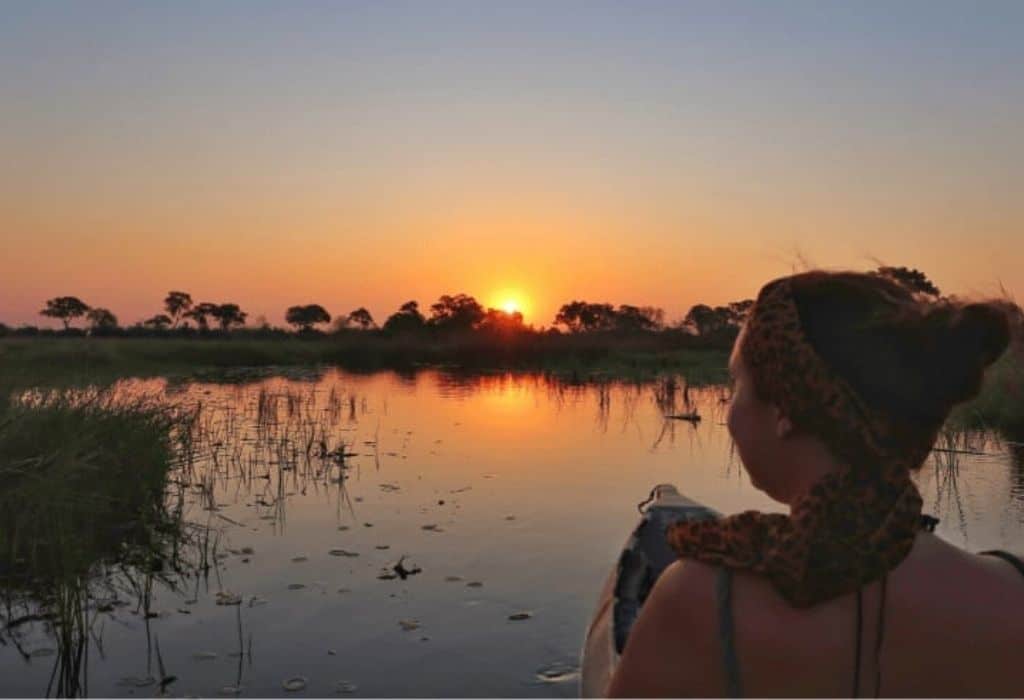
There are huge expanses of wilderness where you can drive for hours without seeing many other people. You can sleep out in the bush with elephants wandering through camp, glide through the waterways of the Okavango Delta in a mokoro, watch enormous herds of elephants along the Chobe River and spend your evenings sitting around a campfire under some of the biggest skies you’ll ever see.
For me, that’s what makes Botswana so special.
If you’re looking for a trip that’s primarily about wildlife, wilderness and incredible safari experiences, Botswana is very hard to beat. And if you combine it with Victoria Falls, you’ve got one hell of an African adventure.
Want to Come to Botswana With Me?
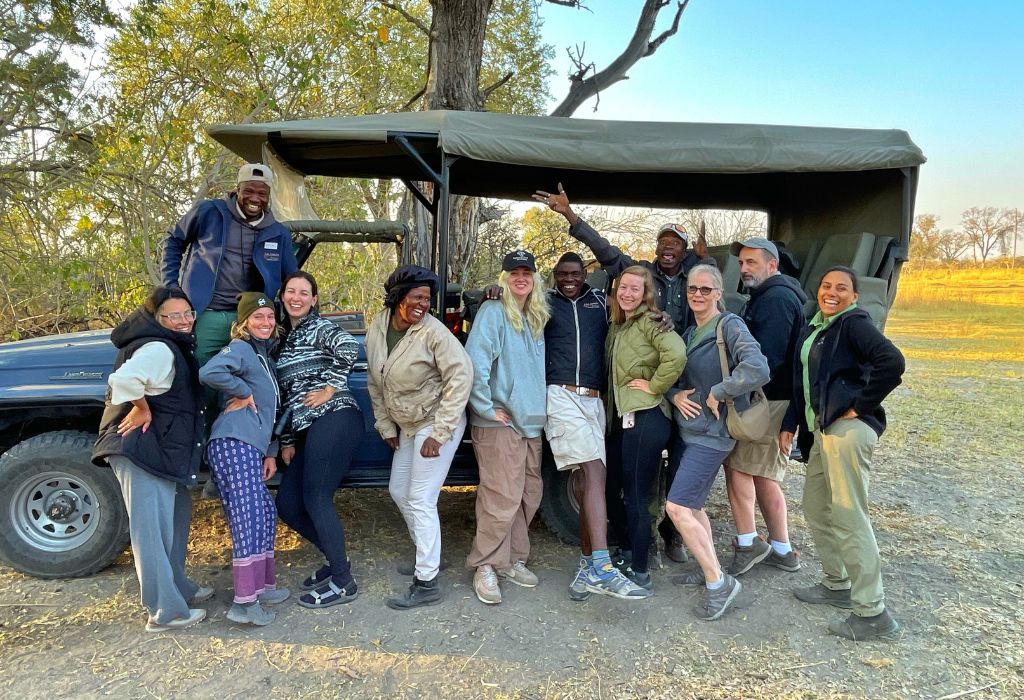
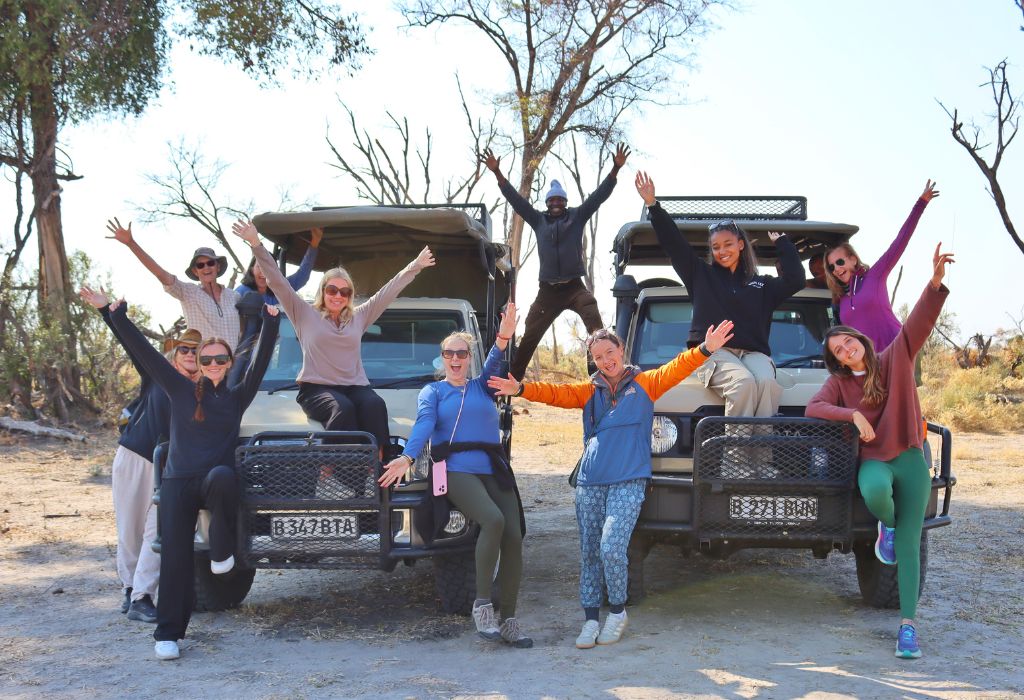
If Botswana is now firmly on your bucket list but you don’t fancy tackling the logistics yourself, come with me on one of my Rock My Botswana & Victoria Falls Adventure trips.
We travel in a small group through some of my favourite places in Botswana, including the Okavango Delta, Makgadikgadi Pans and Chobe National Park, before finishing at Victoria Falls. Think mobile camping in the bush, mokoro trips, incredible safaris, elephants everywhere and a built-in group of travel buddies.
I’ve been running small-group adventures in Africa since 2016, and these Botswana trips are some of my absolute favourites.
I hope this guide helps you plan your own Botswana adventure! It’s one of my favourite places in Africa and I hope you love it as much as I do. If you have any questions, leave me a comment below!
Other Botswana posts you might enjoy…
- The Ultimate Guide to a Chobe National Park Safari
- Where to Stay in Chobe National Park, Botswana
- How to Visit Botswana on a Budget: Everything You Need to Know
- 21 Amazing Things to Do in Botswana
- The Best Botswana Safaris – 3 Incredible Itineraries
- The Best Places in Africa to See Elephants
- Visiting the Okavango Delta on a Budget – Everything You Need to Know
- Where to Stay in Chobe National Park
- Botswana & Victoria Falls Group Trip
- The Safest Places in Africa
Pin This Post For Later